
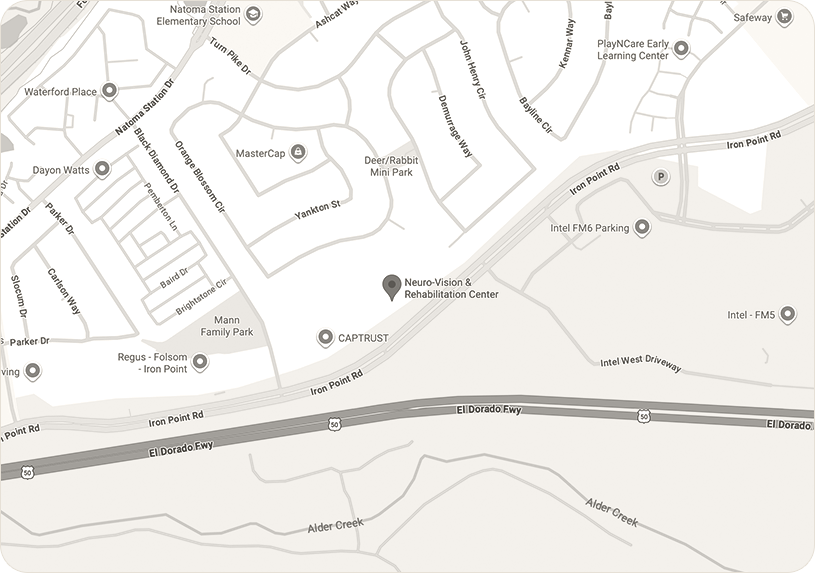
1180 Iron Point Road, Unit 240
Folsom, CA 95630


Blog list
Neuro-Vision & Rehabilitation Center Blog
Learn more about optometrist care in our blog!

Athletic performance depends on more than strength, speed, and technique. Athletes also rely heavily on their visual system to track movement, recognize what is happening around them, and respond quickly. At Neuro-Vision & Rehabilitation Center, our sports vision training programs are designed to strengthen the visual and neurological skills that support performance on the field, court, ice, or course.

A concussion, traumatic brain injury, stroke, or other neurological event can disrupt more than eyesight. It can affect how efficiently the eyes and brain communicate, leading to problems with focusing, balance, visual processing, coordination, and attention.

Seeing a child write a "b" instead of a "d" or reverse numbers can leave parents wondering whether something is wrong. Letter reversals in children are common while they are first learning to read and write. However, frequent reversals that continue as schoolwork becomes more advanced may signal that a closer evaluation is needed.

A child can be bright, motivated, and still struggle with reading. When grades, homework, or attention do not match a child’s abilities, many parents look first at learning style, behavior, or screen habits. But sometimes, the issue is connected to how the eyes and brain work together.
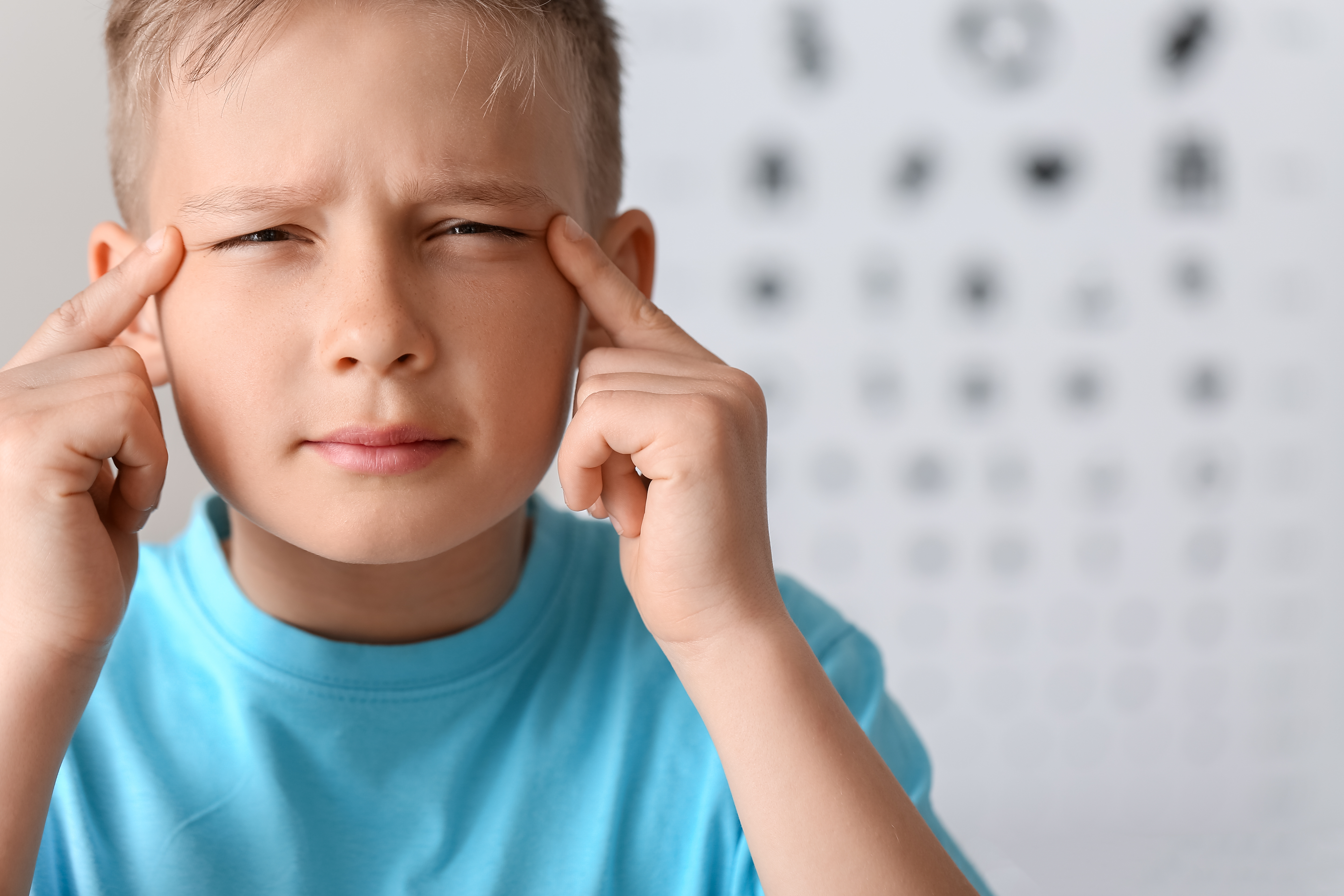
When a child struggles with reading, writing, focus, or classroom performance, the first concerns often center on attention, learning differences, or academic support.

A traumatic brain injury can affect much more than memory, balance, or concentration. Because the brain and eyes work closely together, a TBI can disrupt how the visual system processes information. At Neuro-Vision & Rehabilitation Center, traumatic brain injury evaluations are designed to look beyond basic eyesight and identify functional vision problems that may interfere with daily life.
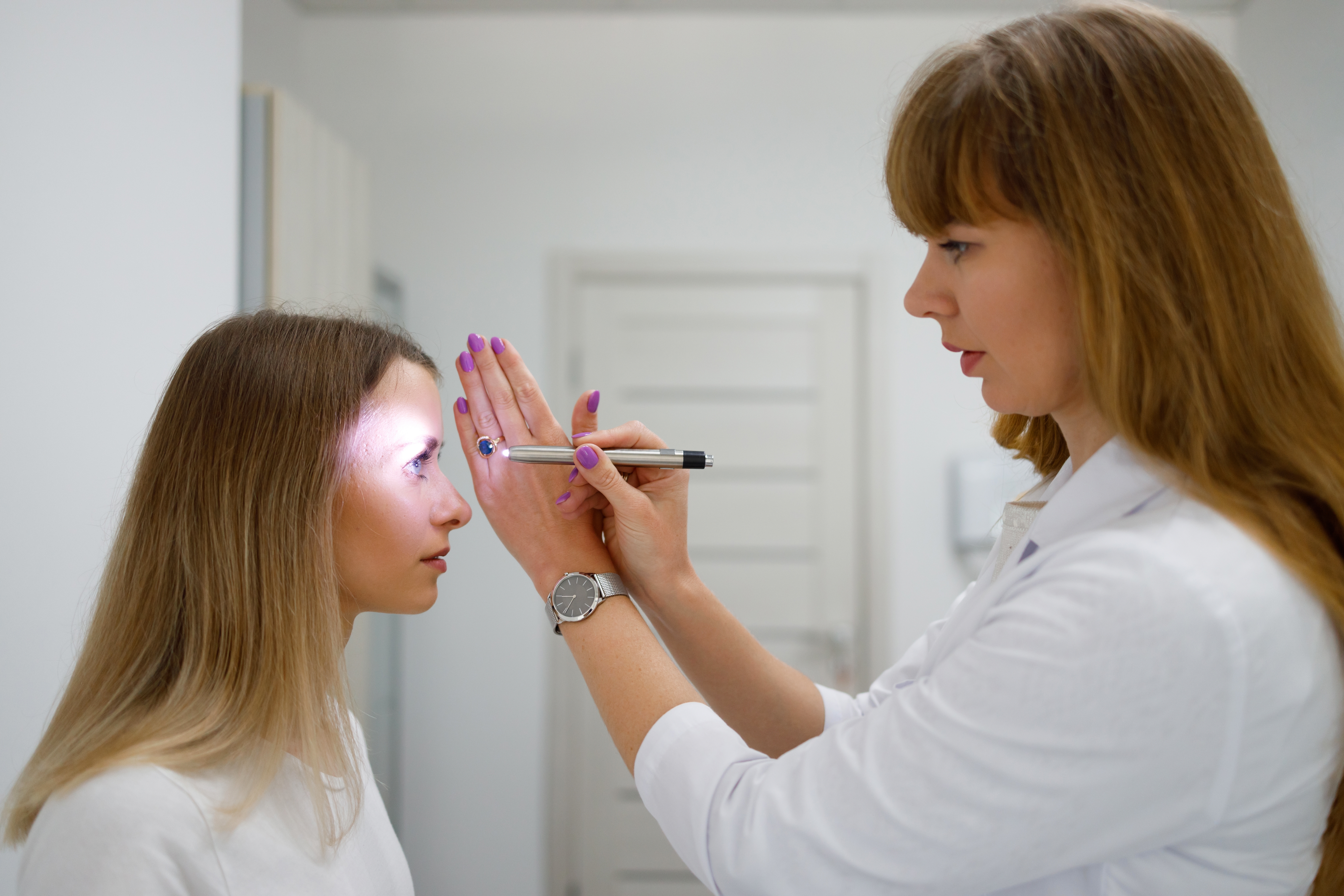
When vision problems affect daily life, it is not always clear which type of eye care professional you should see. While an optometrist, neuro-optometrist, and neuro-ophthalmologist all work with vision, their training and focus are different. Understanding those differences can help you find the right care sooner.

Recovering from a traumatic brain injury can be a long and highly individual process. Many patients ask whether supplements can help support healing after a TBI. While supplements are not a replacement for medical care, they may play a supportive role when used as part of a broader recovery plan that includes proper evaluation, nutrition, rest, and rehabilitation.

When a child struggles in school, it’s easy to assume the issue is attention, motivation, or learning ability. But what many parents and educators don’t realize is that vision plays a critical role in how children learn and problems with visual skills often go unnoticed during routine eye exams. If your child is bright, capable, and trying their best but still falling behind or becoming frustrated in the classroom, their vision may be part of the picture.
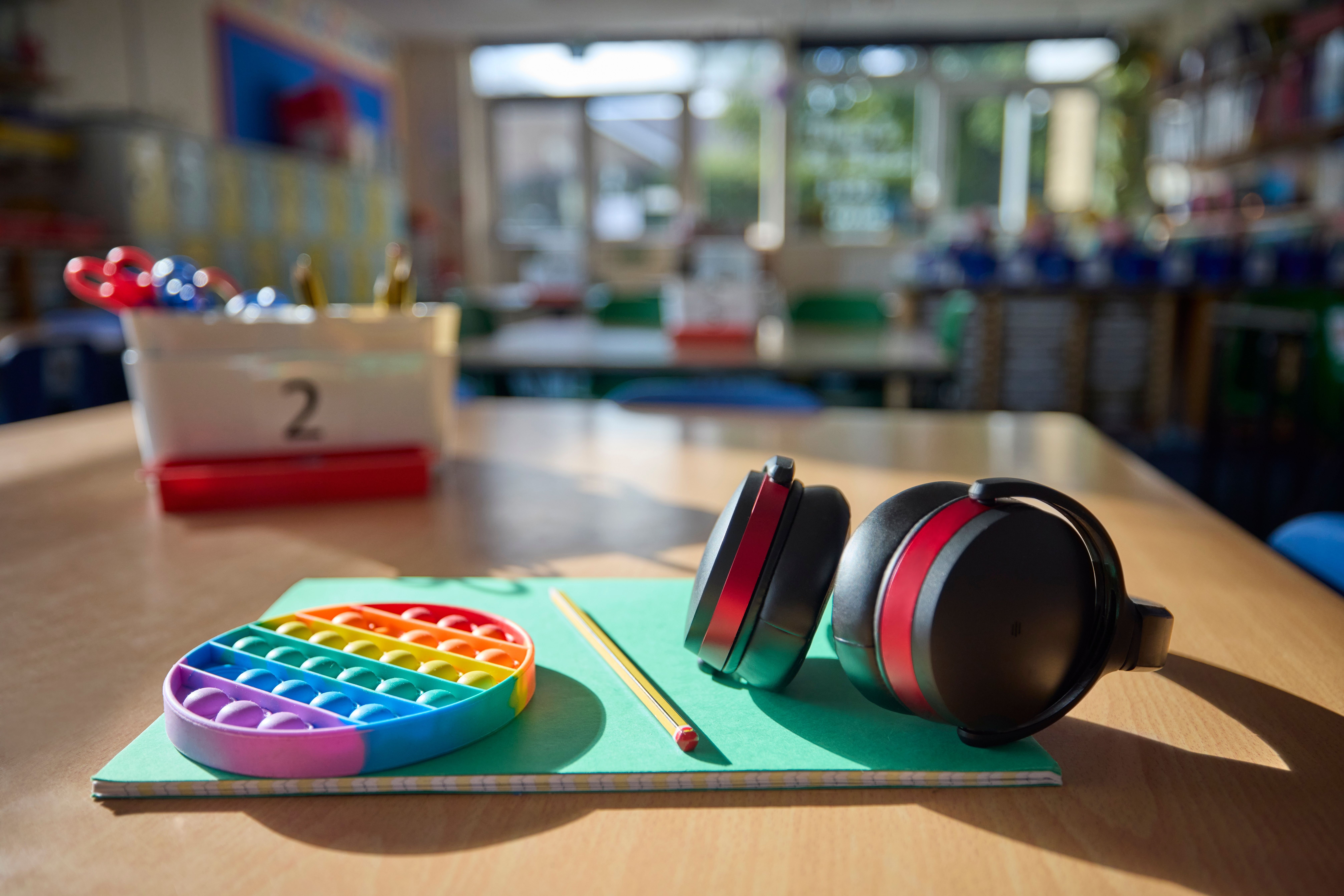
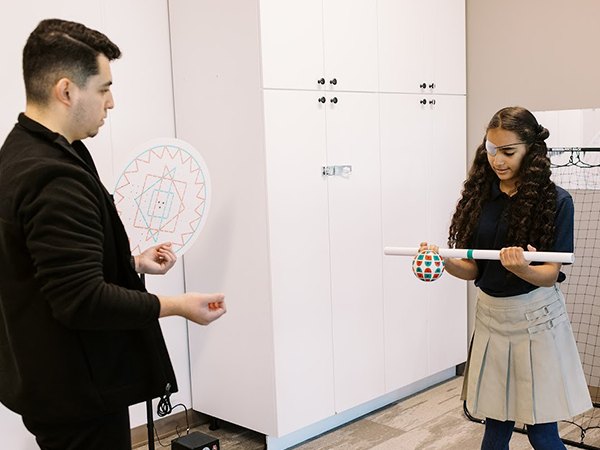
At Neuro-Vision & Rehabilitation Center, we focus on therapies that strengthen the brain’s ability to process information efficiently and accurately. One of the most effective tools we use to improve timing, attention, and coordination is Interactive Metronome® - a clinically supported brain-training program that targets the brain’s internal timing system.
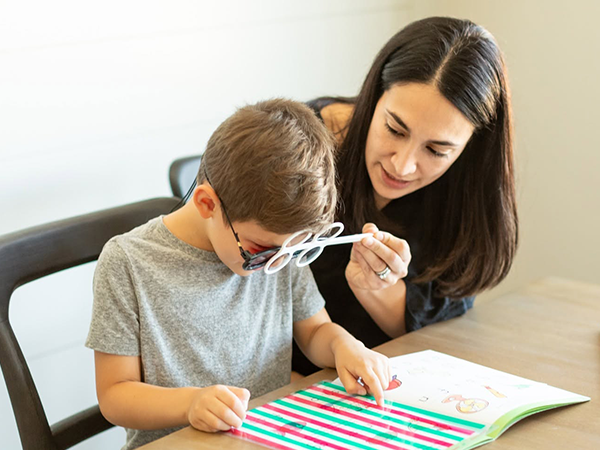
All Eye
Care Services
Keep
In Touch
Visit Us Today
Contact Us
Contact Information
Fax Us
(888) 783-1672
(888) 783-1672
- Monday 9:00am - 5:00pm
- Tuesday 9:00am - 5:00pm
- Wednesday 9:00am - 5:00pm
- Thursday 9:00am - 5:00pm
- Friday 9:00am - 5:00pm
- Saturday Closed
- Sunday Closed
- *By Appointment Only


© 2026 Neuro-Vision & Rehabilitation Center. All rights Reserved - Accessibility Statement - Privacy Policy - Sitemap
Managed and Designed by

