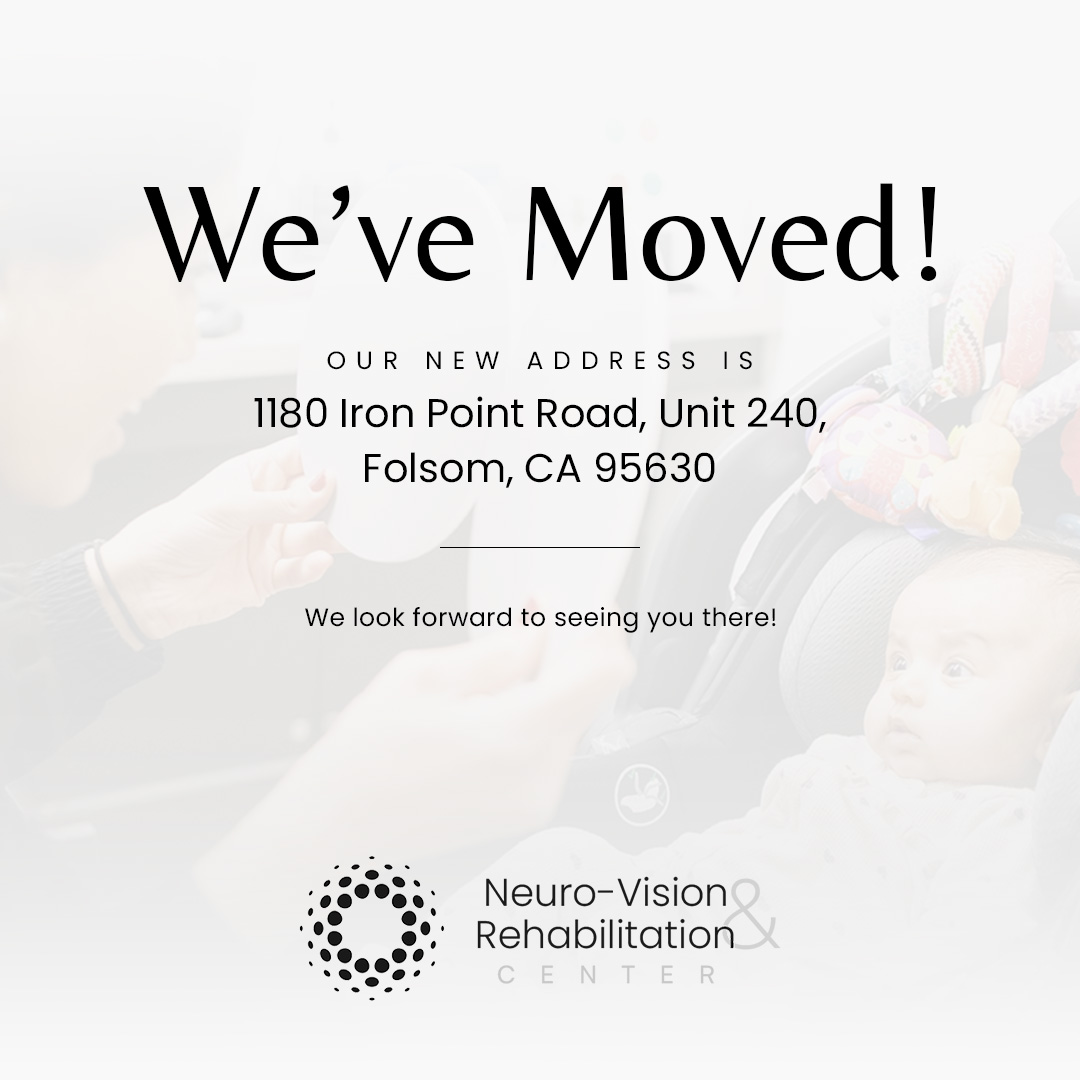
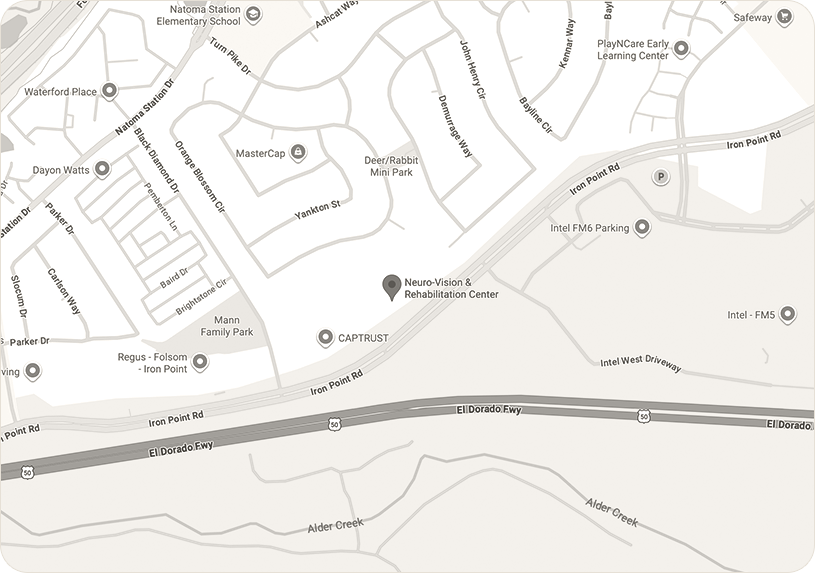
1180 Iron Point Road, Unit 240
Folsom, CA 95630


Bright But Struggling To Read? Recognizing Hidden Visual Function Deficits In Kids

A child can be bright, motivated, and still struggle with reading. When grades, homework, or attention do not match a child’s abilities, many parents look first at learning style, behavior, or screen habits. But sometimes, the issue is connected to how the eyes and brain work together.
At Neuro-Vision & Rehabilitation Center in Folsom, developmental and binocular vision evaluations help identify hidden visual function deficits in kids that may not show up during a routine vision screening.
Vision Is More Than Seeing 20/20
A child may pass a school vision screening and still have difficulty using their eyes comfortably and efficiently. Clear eyesight is only one part of vision. Reading requires the eyes to team together, track smoothly across a page, shift focus, and process visual information quickly.
When these skills are not working well, reading can feel exhausting. A child may avoid books, lose their place, complain of tired eyes, or appear distracted during homework. These struggles are not always a sign of poor effort. They may point to a functional vision problem that needs a closer look.
Signs Of Hidden Visual Function Deficits In Kids
Visual function deficits can look different from child to child. Some children complain about symptoms, while others simply avoid tasks that feel difficult. Parents in Folsom and Sacramento may notice concerns such as:
• Skipping words or lines while reading
• Losing place on the page
• Headaches or eye strain after near work
• Poor reading comprehension despite knowing the material
• Homework frustration or short attention span
• Closing or covering one eye while reading
• Difficulty copying from the board
• Fatigue during screen use or reading
These symptoms can be confusing because they may come and go depending on the task, the time of day, or how tired the child is.
Why Routine Screenings May Miss The Problem
School screenings are helpful for detecting blurry distance vision, but they are not designed to evaluate all the visual skills needed for reading and learning. A child may see the letters on an eye chart clearly but still struggle when both eyes need to work together up close.
A developmental and binocular vision evaluation looks deeper. It assesses how well the eyes focus, move, team, and support real-world tasks like reading, learning, attention, and visual comfort.
How A Comprehensive Vision Evaluation Helps
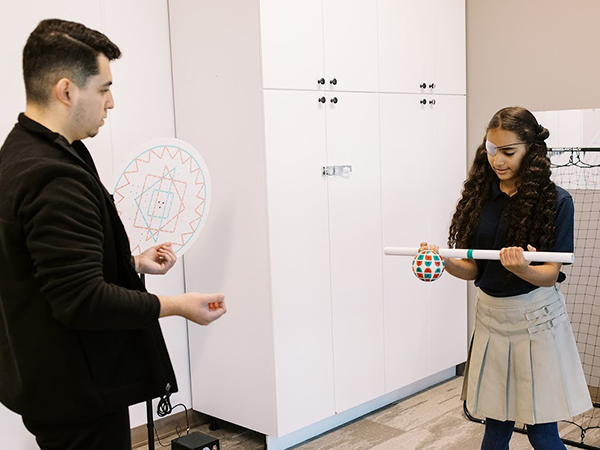
At Neuro-Vision & Rehabilitation Center, the evaluation is designed to identify underlying visual inefficiencies that may be affecting a child’s performance. Testing may include eye teaming, eye tracking, focusing ability, depth perception, visual processing, and reading efficiency.
This type of functional vision testing gives parents clearer answers. Instead of guessing why a child is struggling, the evaluation helps determine whether visual function is contributing to reading fatigue, attention challenges, or school frustration.
When To Schedule An Evaluation
If your child is bright but continues to struggle with reading, homework, or visual comfort despite passing a routine eye exam, it may be time to schedule a developmental and binocular vision evaluation. Early identification can help families better understand what their child is experiencing and what support may be needed.
Schedule a comprehensive vision evaluation for your child at Neuro-Vision & Rehabilitation Center to better understand how hidden visual function issues may be affecting reading, learning, and daily comfort. Visit our office in Folsom, California, or call (279) 321-9059 to book an appointment today.

All Eye
Care Services
Keep
In Touch
Visit Us Today
Contact Us
Contact Information
Fax Us
(888) 783-1672
(888) 783-1672
- Monday 9:00am - 5:00pm
- Tuesday 9:00am - 5:00pm
- Wednesday 9:00am - 5:00pm
- Thursday 9:00am - 5:00pm
- Friday 9:00am - 5:00pm
- Saturday Closed
- Sunday Closed
- *By Appointment Only


© 2026 Neuro-Vision & Rehabilitation Center. All rights Reserved - Accessibility Statement - Privacy Policy - Sitemap
Managed and Designed by