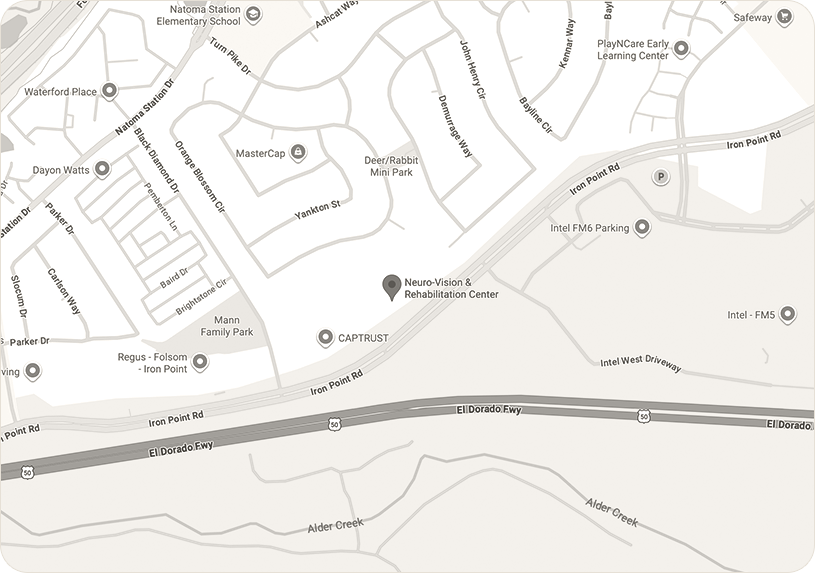
1180 Iron Point Road, Unit 240
Folsom, CA 95630


Could Vision Be Affecting Your Child’s Classroom Performance?

When a child struggles in school, it’s easy to assume the issue is attention, motivation, or learning ability. But what many parents and educators don’t realize is that vision plays a critical role in how children learn and problems with visual skills often go unnoticed during routine eye exams. If your child is bright, capable, and trying their best but still falling behind or becoming frustrated in the classroom, their vision may be part of the picture.
Vision and Learning: More Than Just Seeing Clearly
Vision is not just about reading letters on a chart. In fact, up to 80% of classroom learning is visual. Children rely on their visual system to read, write, copy from the board, follow along in books, and process information efficiently. Even children with 20/20 eyesight can struggle if their visual skills are underdeveloped or not working together properly. These challenges can directly affect academic performance, behavior, and confidence.
Visual Skills That Support Classroom Success
Strong learning vision depends on a set of coordinated visual skills, including:
• Eye tracking - the ability to move the eyes smoothly across a line of text
• Eye teaming - how well the eyes work together as a team
• Focusing - adjusting vision clearly from near to far and back again
• Visual processing - making sense of what the eyes see and turning it into meaningful information
• Visual-motor integration - coordinating vision with hand movements for writing and drawing
When one or more of these skills is weak, a child may struggle even though they appear to “see fine.”
Signs Vision Problems May Be Affecting School Performance
Children often don’t realize that their visual experience is different from others, so they may not complain about their vision. Instead, difficulties can show up as:
• Avoiding reading or homework
• Losing place or skipping lines while reading
• Frequent headaches or eye strain
• Difficulty copying from the board
• Slow reading speed or poor comprehension
• Short attention span for visual tasks
• Reversing letters or words
• Fatigue or frustration during schoolwork
These signs are often mistaken for learning disorders or attention issues when the underlying cause may be visual.
Why a Developmental Vision Evaluation Matters
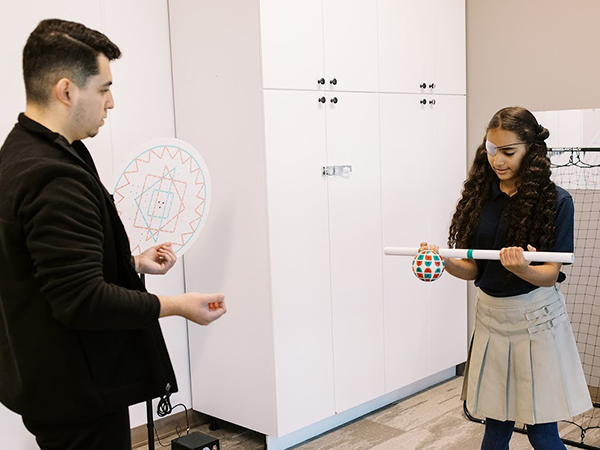
A developmental vision evaluation is designed to assess the functional and neurological aspects of vision. It looks at how well the eyes, brain, and body work together to support reading, learning, and classroom demands. At Neuro-Vision & Rehabilitation Center, developmental vision evaluations go beyond “Can your child see clearly?” to answer questions like:
• Can your child sustain visual attention during reading?
• Are their eyes working together efficiently?
• Is visual processing impacting comprehension or academic speed?
This deeper assessment can uncover issues that directly affect learning and provide a clear path forward.
Get Answers That Support Your Child’s Learning
If your child is struggling in school and the reasons aren’t clear, it may be time to look beyond grades and behavior. Vision plays a foundational role in learning, and undetected visual skill issues can quietly interfere with classroom success. A developmental vision evaluation can provide valuable answers - and open the door to meaningful improvement in your child’s academic and everyday life.
If you’re concerned about your child’s school performance, schedule a developmental vision evaluation at Neuro-Vision & Rehabilitation Center to discover whether vision could be impacting your child’s ability to learn, focus, and succeed in the classroom. Visit our office in Folsom, California, or call (279) 321-9059 to book an appointment today.

All Eye
Care Services
Keep
In Touch
Visit Us Today
Contact Us
Contact Information
Fax Us
(888) 783-1672
(888) 783-1672
- Monday 9:00am - 5:00pm
- Tuesday 9:00am - 5:00pm
- Wednesday 9:00am - 5:00pm
- Thursday 9:00am - 5:00pm
- Friday 9:00am - 5:00pm
- Saturday Closed
- Sunday Closed
- *By Appointment Only


© 2026 Neuro-Vision & Rehabilitation Center. All rights Reserved - Accessibility Statement - Privacy Policy - Sitemap
Managed and Designed by