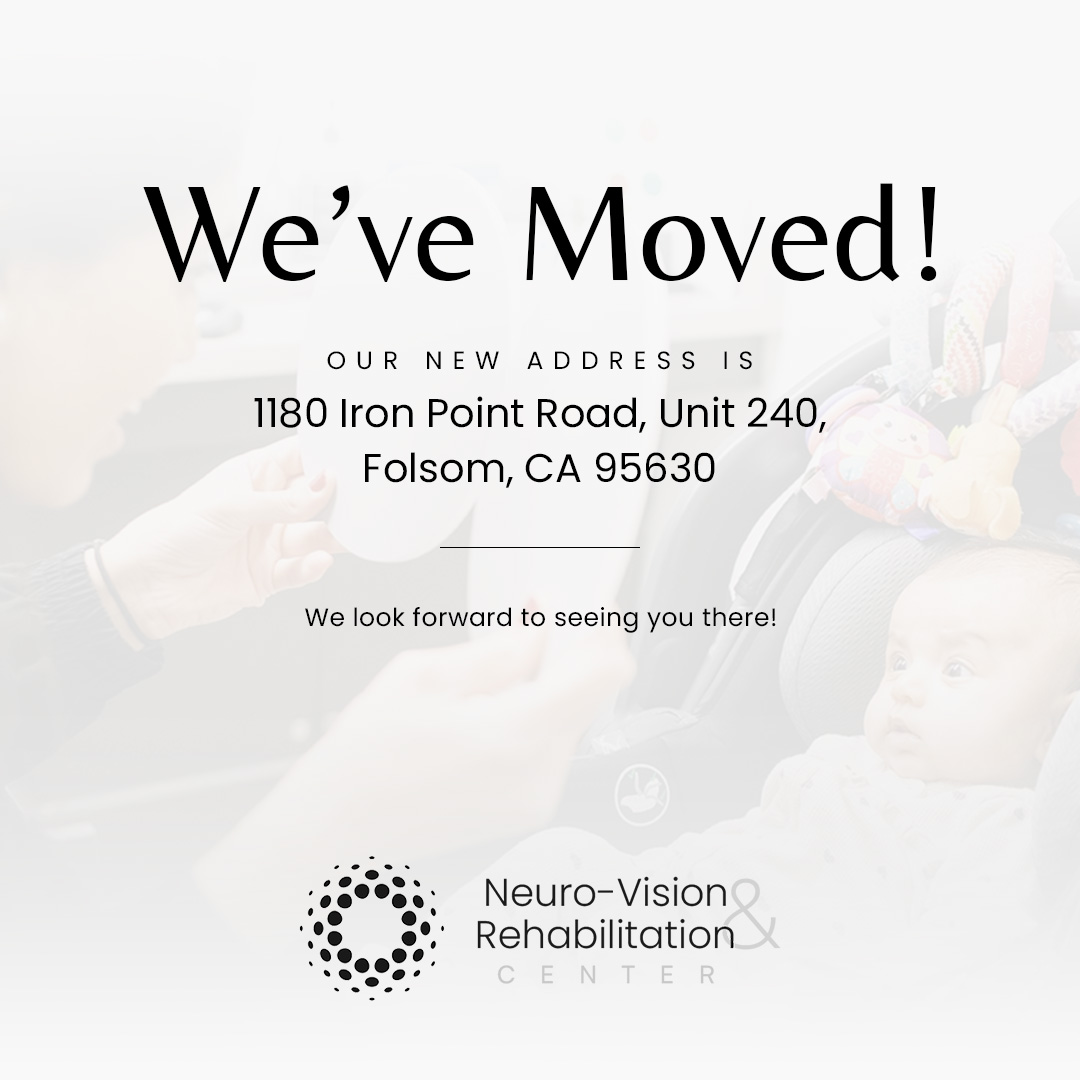
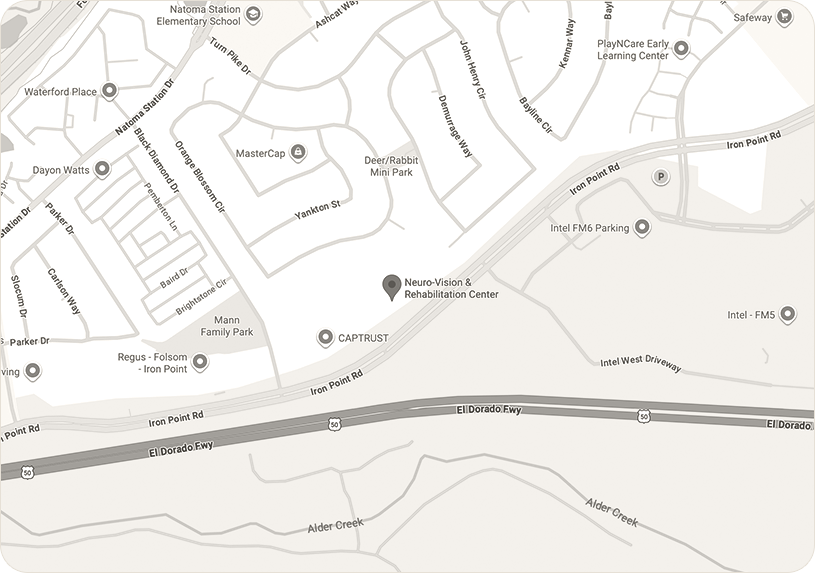
1180 Iron Point Road, Unit 240
Folsom, CA 95630


Double Vision After Cataract Surgery: What to Watch For

Cataract surgery is one of the most common and successful eye procedures performed today. For most patients, it results in clearer vision and improved quality of life. However, some individuals experience an unexpected side effect afterward: double vision. Understanding why double vision occurs after cataract surgery and when to seek help can make a significant difference in your recovery and long-term visual comfort.
What Is Double Vision?
Double vision, also known as diplopia, occurs when the eyes are not working together properly, causing a single object to appear as two. This may happen constantly or only in certain situations, such as when reading, driving, or looking at screens. After cataract surgery, binocular double vision is often the greater concern because it typically involves how the eyes coordinate with each other.
Why Can Double Vision Occur After Cataract Surgery?
While cataract surgery itself is highly precise, it can sometimes reveal or trigger visual issues that were previously compensated for by the brain. Common causes include:
• Changes in Eye Alignment: Cataract surgery can alter visual input, which may unmask small eye alignment issues that existed before surgery but went unnoticed.
• Binocular Vision Dysfunction (BVD): One of the most overlooked causes of post-cataract double vision is Binocular Vision Dysfunction (BVD). BVD occurs when the eyes struggle to work together as a team, even if each eye sees clearly on its own. Cataract surgery can disrupt the brain’s ability to compensate for this misalignment, making symptoms suddenly noticeable.
Signs Double Vision May Be Related to BVD
Double vision related to BVD often comes with additional symptoms, including:
• Eye strain or fatigue
• Headaches, especially after reading or screen use
• Difficulty focusing
• Dizziness or balance issues
• Motion sensitivity
• Trouble judging depth or distances
If these symptoms persist weeks after cataract surgery, it’s a strong indicator that the issue may not resolve on its own.
When Should You Be Concerned?
Some mild visual disturbances are normal during the early healing period. However, you should seek further evaluation if:
• Double vision lasts longer than a few weeks
• Symptoms worsen instead of improving
• Closing one eye eliminates the double vision
• You experience headaches, dizziness, or balance problems alongside vision issues
Persistent symptoms often require a more specialized evaluation beyond a standard eye exam.
How We Can Help
At Neuro-Vision & Rehabilitation Center, we specialize in identifying and treating complex visual conditions like BVD that are often missed in routine exams. Through advanced binocular vision testing, we assess how your eyes and brain work together.
Treatment options may include:
• Customized neuro-optometric vision therapy
• Specialized lenses or prism correction
• Targeted exercises to improve eye coordination and visual processing
These therapies are designed to retrain the visual system, reduce symptoms, and restore comfortable, single vision.
Get Specialized Care for Persistent Double Vision
While cataract surgery is highly effective, double vision afterward is not something you should simply “wait out.” Early evaluation and treatment can prevent ongoing discomfort and help you fully enjoy the benefits of your cataract surgery.
If you’re experiencing double vision after cataract surgery, contact Neuro-Vision & Rehabilitation Center to schedule a consultation today. Visit our office in Folsom, California, or call (279) 321-9059 to book an appointment.

All Eye
Care Services

Keep
In Touch
Visit Us Today
Contact Us
Contact Information
Fax Us
(888) 783-1672
(888) 783-1672
- Monday 9:00am - 5:00pm
- Tuesday 9:00am - 5:00pm
- Wednesday 9:00am - 5:00pm
- Thursday 9:00am - 5:00pm
- Friday 9:00am - 5:00pm
- Saturday Closed
- Sunday Closed
- *By Appointment Only


© 2026 Neuro-Vision & Rehabilitation Center. All rights Reserved - Accessibility Statement - Privacy Policy - Sitemap
Managed and Designed by