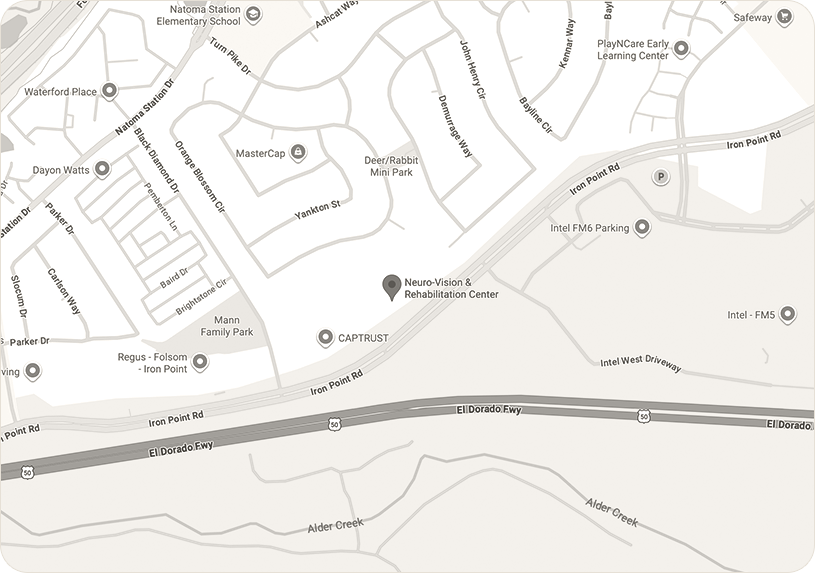
1180 Iron Point Road, Unit 240
Folsom, CA 95630


Why Vision Testing Should Be Part of Every IEP Evaluation
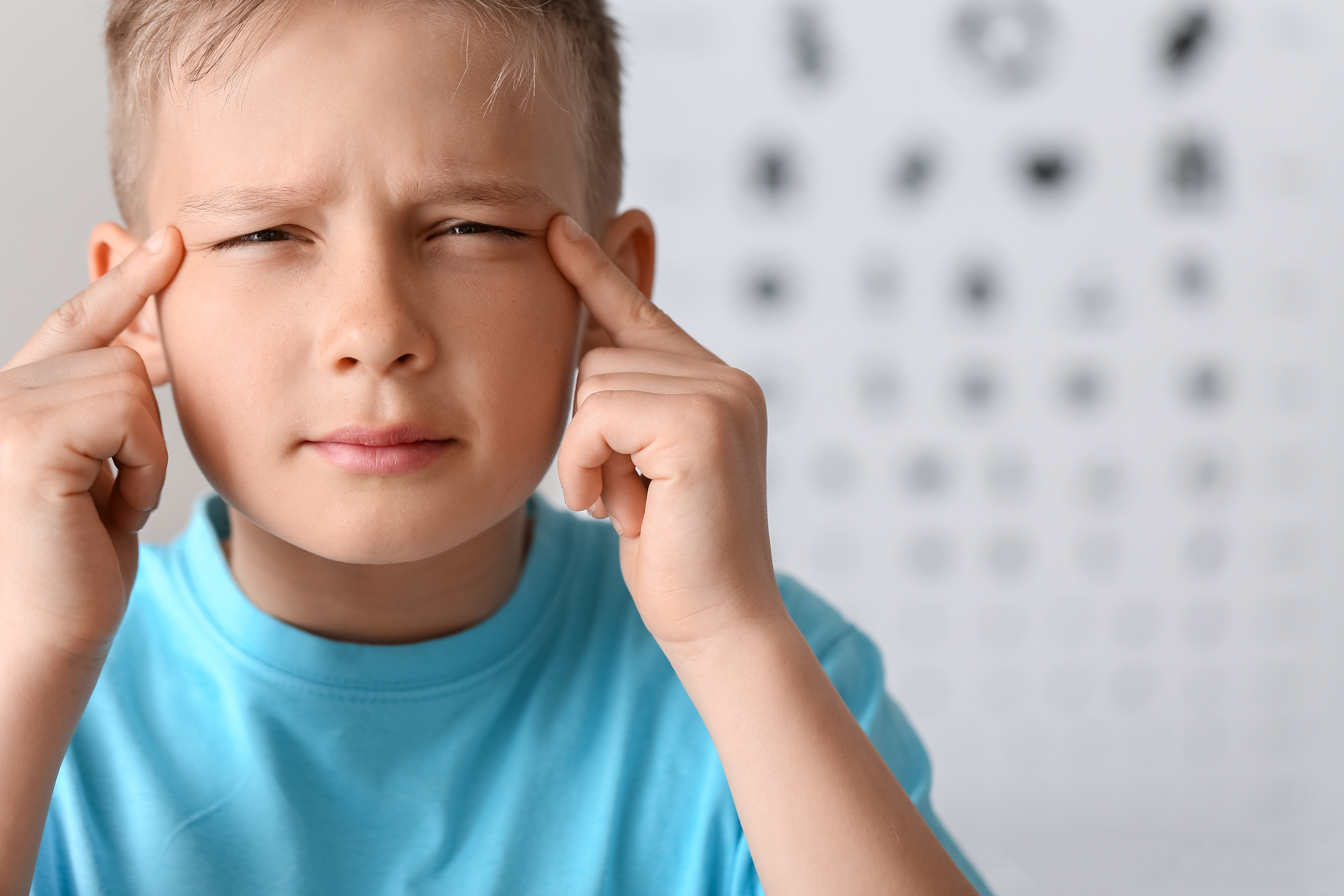
When a child struggles with reading, writing, focus, or classroom performance, the first concerns often center on attention, learning differences, or academic support. While those factors can play a role, vision should also be considered during an IEP evaluation. A child may be able to see 20/20 on a standard eye chart and still have functional vision problems that affect learning.
At Neuro-Vision & Rehabilitation Center, we understand that vision is more than clear eyesight. Children also need strong eye teaming, tracking, focusing, and visual processing skills to keep up in school.
Vision and Learning Are Closely Connected
Many classroom tasks depend on the visual system. Reading from a book, copying from the board, following lines of text, shifting focus from near to far, and staying visually engaged all require the eyes and brain to work together.
When these skills are inefficient, a child may appear distracted, avoid reading, lose their place, or become tired quickly. These signs can sometimes be mistaken for behavior concerns or lack of effort when the real issue may be how the visual system is functioning.
Why a Standard Vision Screening May Not Be Enough
School vision screenings are helpful, but they typically check distance clarity. They may not evaluate how well a child’s eyes team together, track across a page, or adjust focus during close work.
A child can pass a basic screening and still struggle with visual skills needed for learning. That is why a more complete developmental vision evaluation can be an important part of understanding a child’s needs during the IEP process.
Signs Vision May Be Affecting School Performance
Vision-related learning challenges can look different from child to child. Some children complain about their eyes, while others simply avoid visually demanding tasks.
Common signs may include:
- Losing place while reading
- Skipping words or lines
- Frequent headaches or eye strain
- Trouble copying from the board
- Short attention span during reading
- Closing or covering one eye
- Poor reading comprehension despite strong verbal skills
- Avoiding homework or near work
These symptoms do not always mean a child has a vision problem, but they are worth evaluating when academic struggles continue.
How Vision Testing Can Support an IEP Evaluation
An IEP evaluation should look at the full picture of a child’s learning needs. Including functional vision testing can help identify whether visual skills are contributing to reading difficulty, slow work completion, fatigue, or reduced classroom confidence.
This information may help parents, educators, and specialists better understand why a child is struggling and what support may be appropriate. When vision issues are identified, recommendations may include lenses, prisms, vision therapy, classroom accommodations, or referrals for additional care.
Vision Therapy and Developmental Vision Care
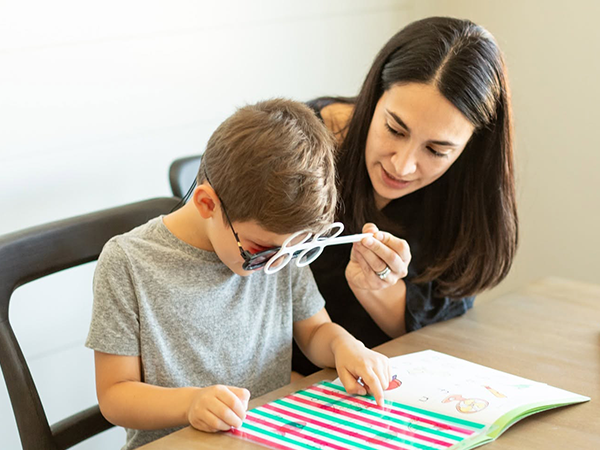
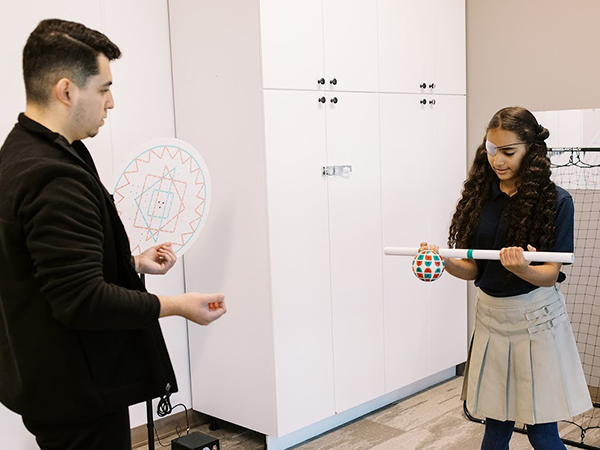
For some children, vision therapy may help improve the way the eyes and brain work together. Vision therapy is not the same as tutoring or general eye exercises. It is a customized treatment program designed to support specific visual skills, such as eye teaming, focusing, tracking, and visual processing.
At Neuro-Vision & Rehabilitation Center, we provide personalized care for children with developmental vision concerns, including students who struggle with reading, attention, coordination, or visually demanding schoolwork
When to Schedule a Developmental Vision Evaluation
If your child is being evaluated for an IEP, already has an IEP, or continues to struggle despite academic support, a developmental vision evaluation may provide helpful insight. Testing vision as part of the process can help ensure that an underlying visual issue is not being missed.
Schedule a developmental vision evaluation at Neuro-Vision & Rehabilitation Center to better understand how your child’s visual skills may be affecting reading, focus, and classroom performance. Visit our office in Folsom, California, or call (279) 321-9059 to book an appointment today.
All Eye
Care Services
Keep
In Touch
Visit Us Today
Contact Us
Contact Information
Fax Us
(888) 783-1672
(888) 783-1672
- Monday 9:00am - 5:00pm
- Tuesday 9:00am - 5:00pm
- Wednesday 9:00am - 5:00pm
- Thursday 9:00am - 5:00pm
- Friday 9:00am - 5:00pm
- Saturday Closed
- Sunday Closed
- *By Appointment Only


© 2026 Neuro-Vision & Rehabilitation Center. All rights Reserved - Accessibility Statement - Privacy Policy - Sitemap
Managed and Designed by