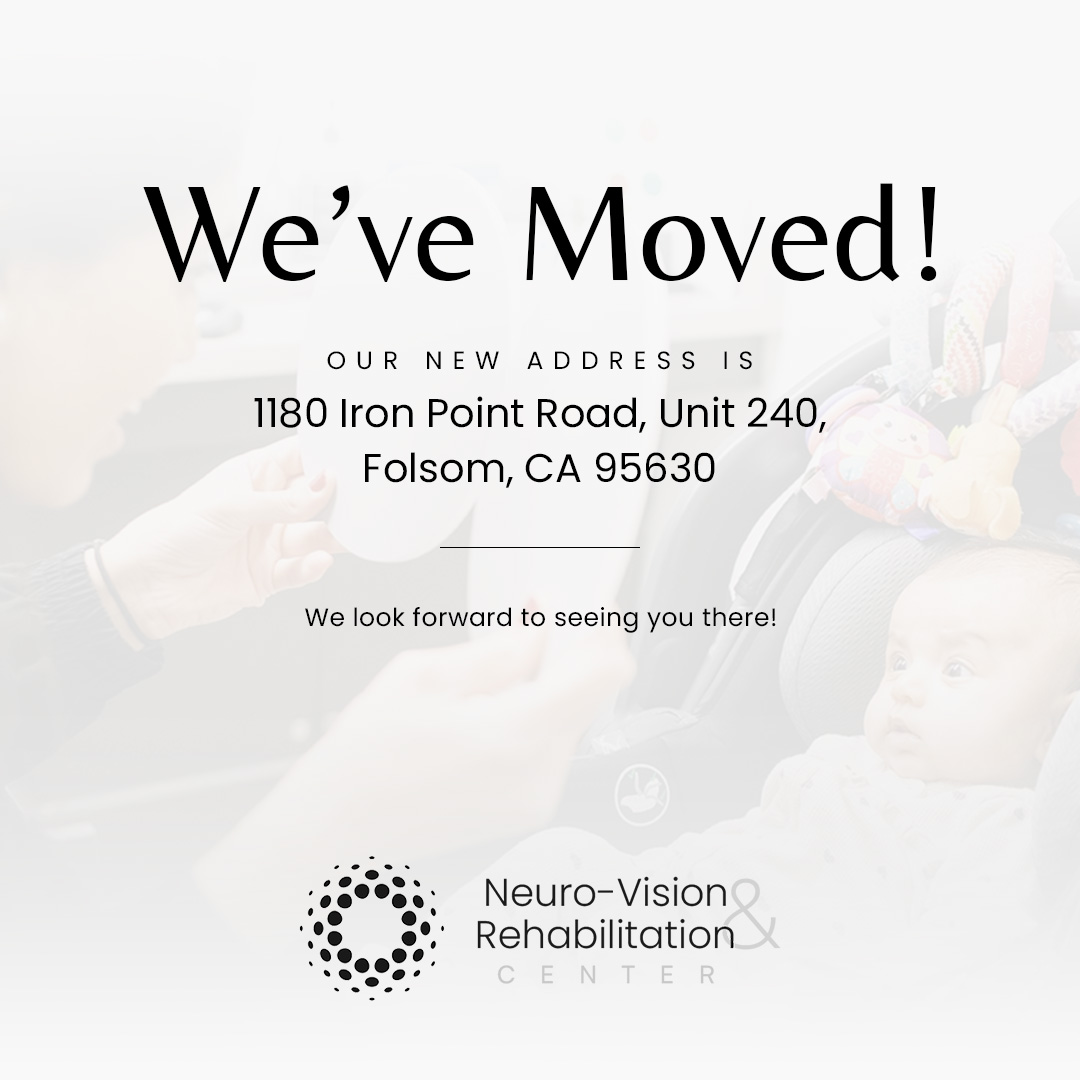
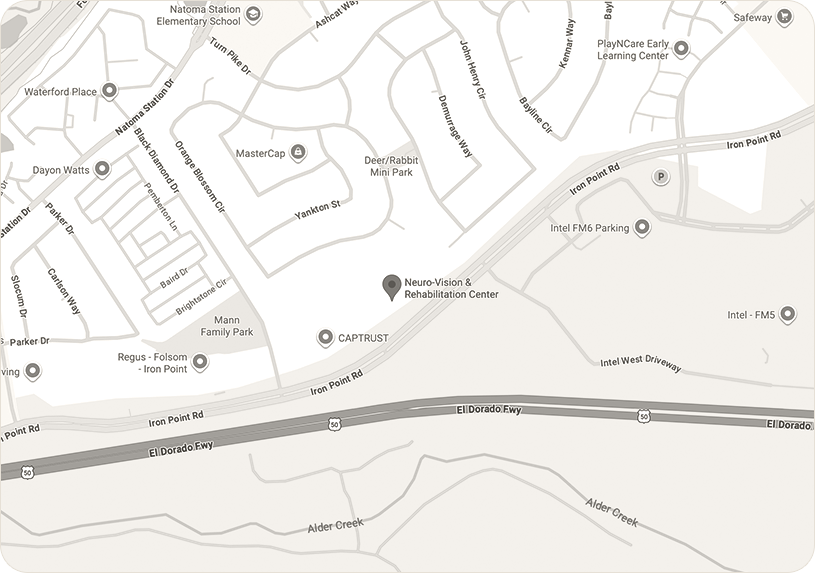
1180 Iron Point Road, Unit 240
Folsom, CA 95630


Can Supplements Support Healing After a TBI?

Recovering from a traumatic brain injury can be a long and highly individual process. Many patients ask whether supplements can help support healing after a TBI. While supplements are not a replacement for medical care, they may play a supportive role when used as part of a broader recovery plan that includes proper evaluation, nutrition, rest, and rehabilitation.
Why Nutrition Matters After a TBI
A traumatic brain injury can affect multiple systems in the body, including energy levels, sleep, focus, balance, and visual function. During recovery, the brain needs steady support from good nutrition and consistent care. Certain vitamins, minerals, and nutrients are being studied for their potential role in reducing inflammation, supporting nerve health, and helping the brain recover more efficiently.
Supplements May Offer Support - But Not a Cure
Some supplements are commonly discussed in relation to TBI recovery because of their possible role in brain and nerve function. These may include omega-3 fatty acids, magnesium, vitamin D, B vitamins, and antioxidants. In some cases, a healthcare provider may also consider other targeted nutritional support based on a patient’s symptoms and medical history.
Supplements should be viewed as supportive tools, not standalone treatment. Recovery after a brain injury often requires a coordinated approach.
Important Factors to Keep in Mind
Before starting supplements after a traumatic brain injury, patients should be cautious. Even over-the-counter products can interact with medications or be inappropriate in certain situations.
- Quality and dosage can vary significantly between products
- Some supplements may interfere with prescribed medications
- Taking too much of certain nutrients can cause side effects
- What helps one patient may not be appropriate for another
- Professional guidance is important during TBI recovery
The Role of Vision in TBI Recovery
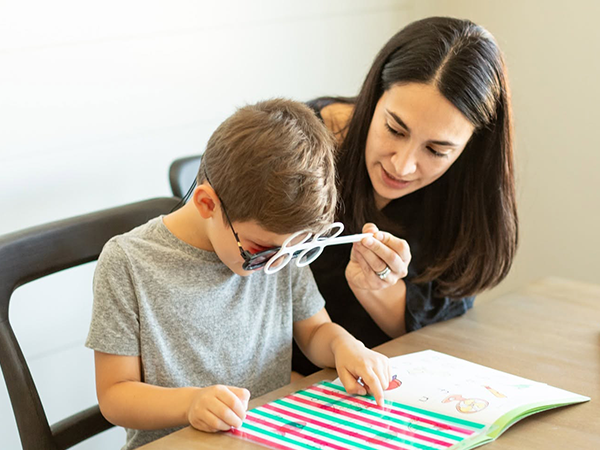
Many people do not realize that a TBI can affect the visual system. Problems with eye tracking, focusing, double vision, dizziness, light sensitivity, and visual motion sensitivity are common after a brain injury. These issues can make reading, driving, working, and even walking through busy spaces more difficult.
When visual symptoms are part of the recovery picture, supplements alone are unlikely to address the root cause. A proper neuro-optometric evaluation can help identify whether the visual system has been affected and what type of care may help.
A Personalized Approach Is Best
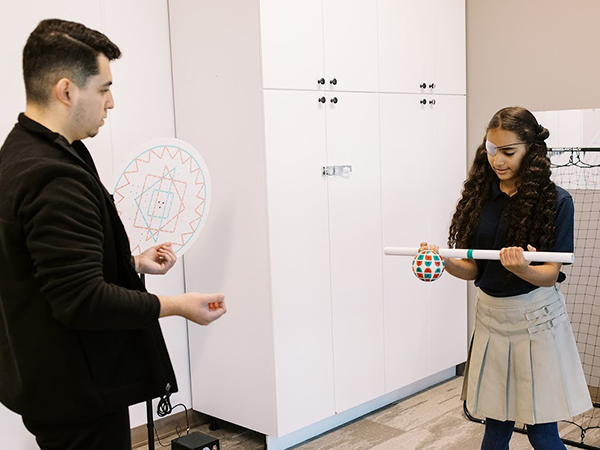
For some patients, targeted nutritional support may be a helpful part of recovery. For others, the biggest gains may come from identifying overlooked issues such as visual dysfunction, balance challenges, or other neurological symptoms. The most effective path is usually a personalized one that looks at the full picture rather than focusing on one product or one symptom.
Contact Neuro-Vision & Rehabilitation Center to schedule a comprehensive evaluation and learn more about care after a traumatic brain injury. Visit our office in Folsom, California, or call (279) 321-9059 to book an appointment today.
All Eye
Care Services
Keep
In Touch
Visit Us Today
Contact Us
Contact Information
Fax Us
(888) 783-1672
(888) 783-1672
- Monday 9:00am - 5:00pm
- Tuesday 9:00am - 5:00pm
- Wednesday 9:00am - 5:00pm
- Thursday 9:00am - 5:00pm
- Friday 9:00am - 5:00pm
- Saturday Closed
- Sunday Closed
- *By Appointment Only


© 2026 Neuro-Vision & Rehabilitation Center. All rights Reserved - Accessibility Statement - Privacy Policy - Sitemap
Managed and Designed by