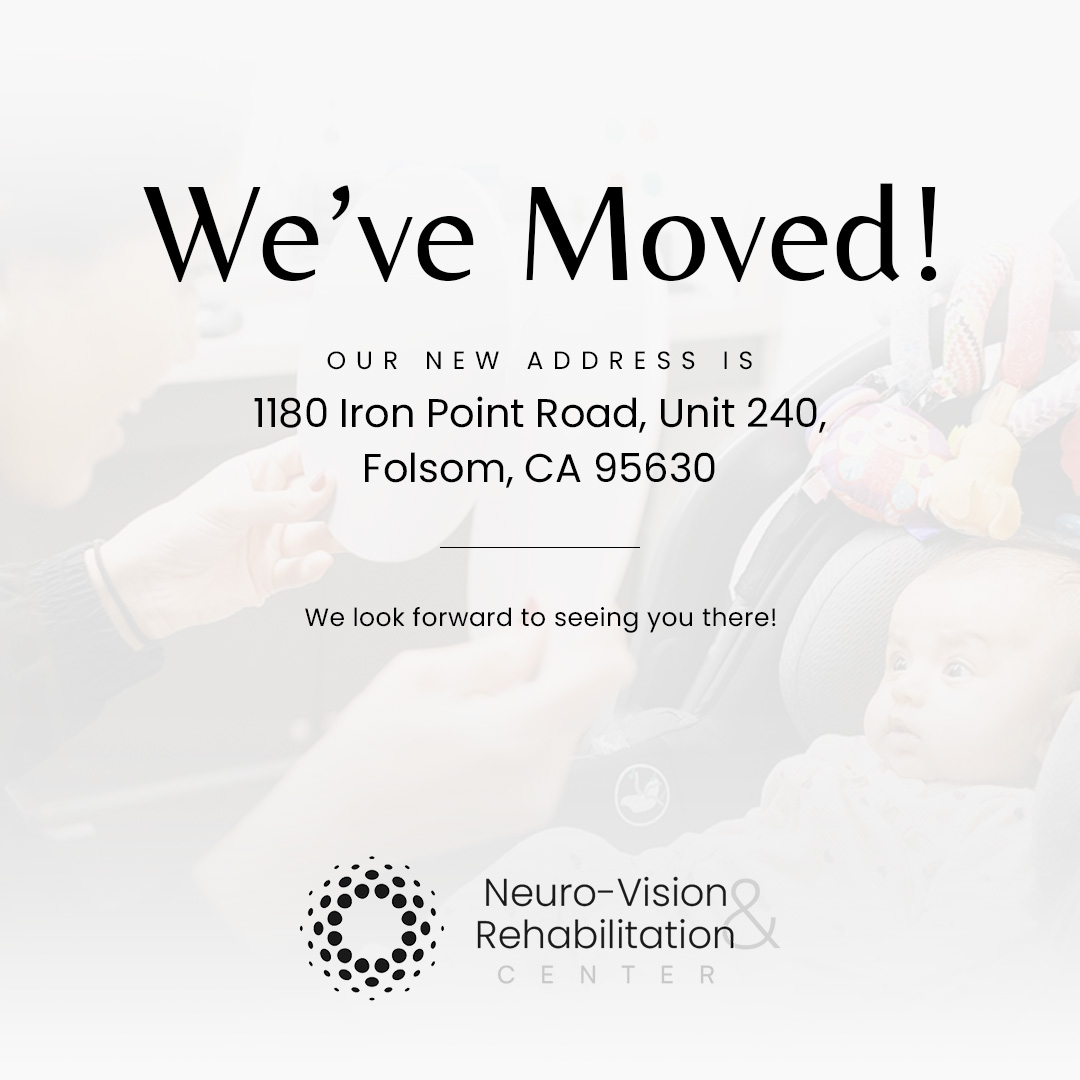
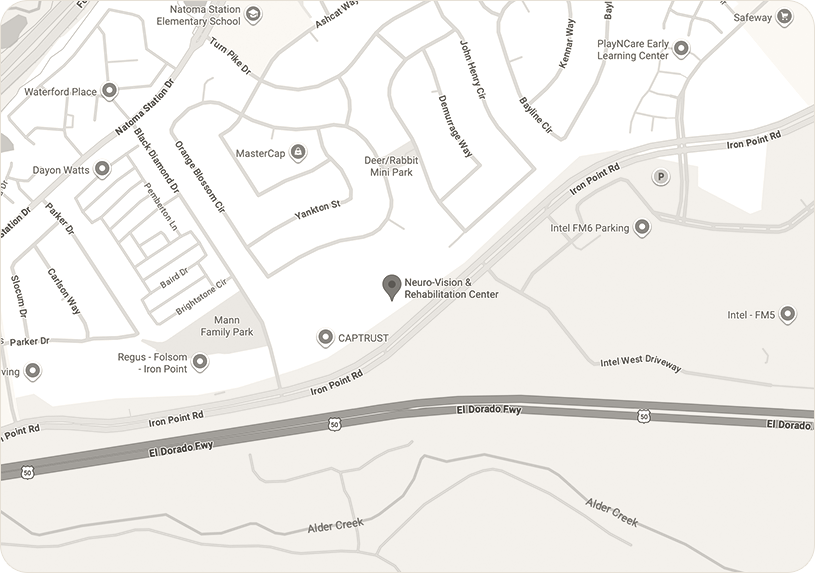
1180 Iron Point Road, Unit 240
Folsom, CA 95630


Eye Tracking vs. Eye Teaming: Understanding the Differences in Functional Vision
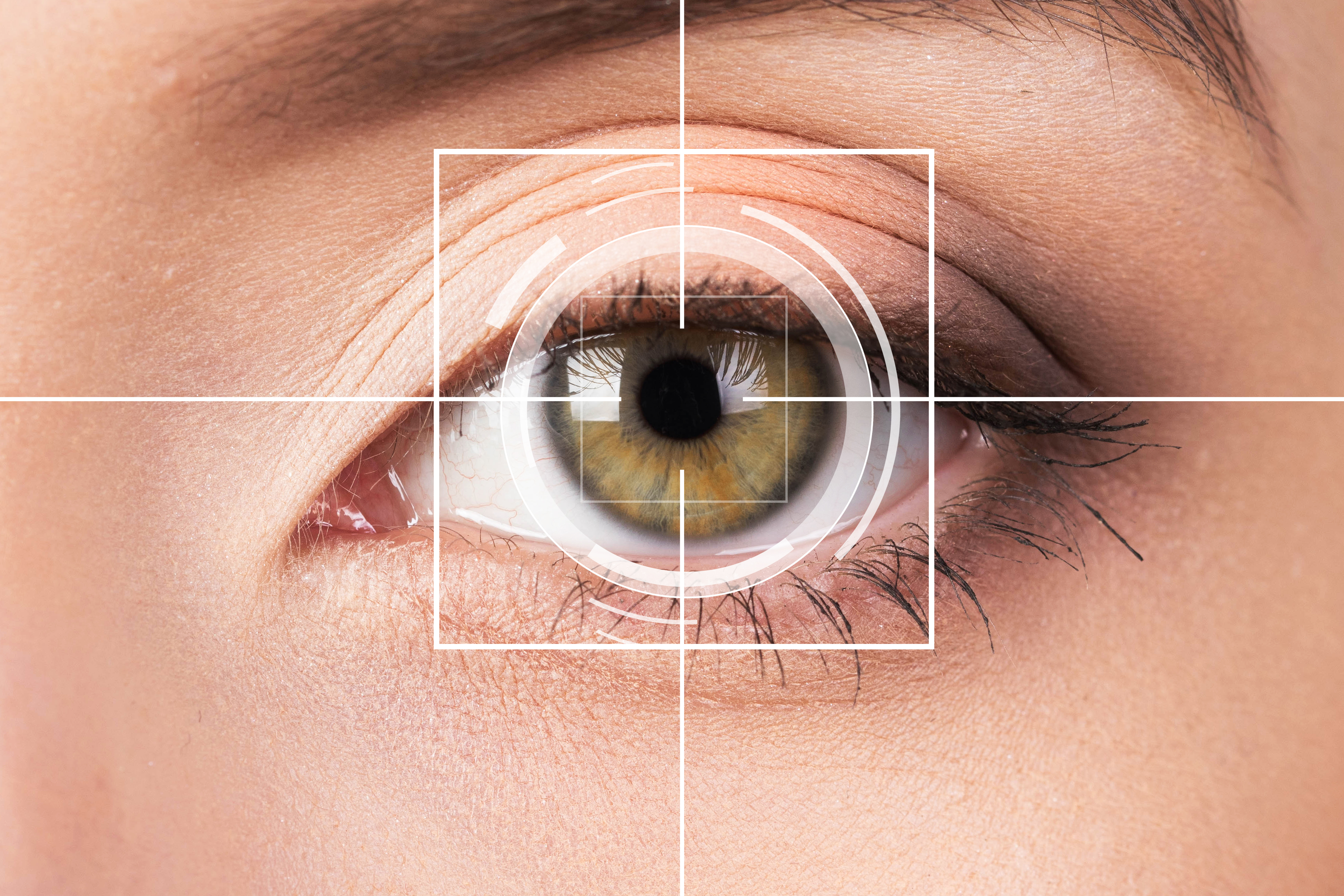
Clear eyesight does not always mean the visual system is functioning efficiently. Some children and adults experience difficulty reading, concentrating on close-up tasks, or maintaining visual comfort despite having 20/20 vision. These challenges may involve eye tracking, eye teaming, or both. Understanding the differences can help identify when a functional vision evaluation may be beneficial.
What Is Eye Tracking?
Eye tracking refers to the ability to move the eyes accurately and smoothly from one point to another. This skill allows us to follow moving objects, shift our gaze between targets, and move across lines of text while reading.
Two important types of eye movements are saccades, which are quick movements between targets, and pursuits, which allow the eyes to follow moving objects smoothly. When eye tracking is inefficient, someone may frequently lose their place while reading, skip words, or have difficulty copying information from a board. These challenges can make visually demanding activities more tiring.
What Is Eye Teaming?
Eye teaming, also called binocular coordination, describes how both eyes work together to maintain a single, clear image. Each eye receives slightly different visual information, which the brain combines into one image.
Effective eye teaming requires the eyes to coordinate when looking at objects at different distances. For example, convergence allows both eyes to turn inward when focusing on something nearby, while divergence helps them adjust when looking farther away. When eye teaming is inefficient, a person may experience double vision, eyestrain, headaches, or difficulty maintaining comfortable vision during prolonged near work.
Common Signs of Functional Vision Difficulties
Although eye tracking and eye teaming involve different visual skills, their symptoms can overlap. Some signs that may indicate a functional vision concern include:
• Frequently losing your place or skipping lines while reading
• Experiencing headaches or eye fatigue during close-up activities
• Seeing double or noticing words appear to move on a page
• Having difficulty shifting focus between near and distant objects
• Closing one eye or tilting the head during visual tasks
These symptoms can have multiple causes, so a comprehensive evaluation is important rather than assuming they result from a specific visual dysfunction.
How Eye Tracking and Eye Teaming Are Evaluated
At Neuro-Vision & Rehabilitation Center, we assess how the eyes and brain work together during everyday visual activities. A functional vision evaluation examines skills that may not be fully assessed during a standard visual acuity test.
We evaluate eye movement control, binocular coordination, focusing ability, and other aspects of visual function. These findings help us determine whether eye tracking difficulties, eye teaming problems, or a combination of factors may be contributing to symptoms.
Can Vision Therapy Help Improve These Skills?
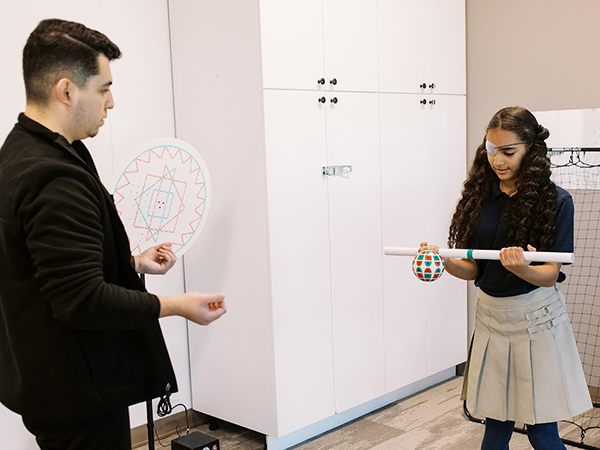
Vision therapy involves individualized activities designed to address specific visual function problems. Depending on the evaluation findings, treatment may focus on improving eye movement accuracy, binocular coordination, or focusing efficiency. For certain conditions, such as symptomatic convergence insufficiency, structured office-based vergence and accommodative therapy can be beneficial.
If you or your child experiences difficulty with eye tracking, eye teaming, or other functional vision skills, schedule an evaluation with Neuro-Vision & Rehabilitation Center to learn more about vision therapy. Visit our office in Folsom, CA, or call (279) 321-9059 to book an appointment today.

All Eye
Care Services
Keep
In Touch
Visit Us Today
Contact Us
Contact Information
Fax Us
(888) 783-1672
- Monday 9:00am - 5:00pm
- Tuesday 9:00am - 5:00pm
- Wednesday 9:00am - 5:00pm
- Thursday 9:00am - 5:00pm
- Friday 9:00am - 5:00pm
- Saturday Closed
- Sunday Closed
- *By Appointment Only


© 2026 Neuro-Vision & Rehabilitation Center. All rights Reserved - Accessibility Statement - Privacy Policy - Sitemap
Managed and Designed by