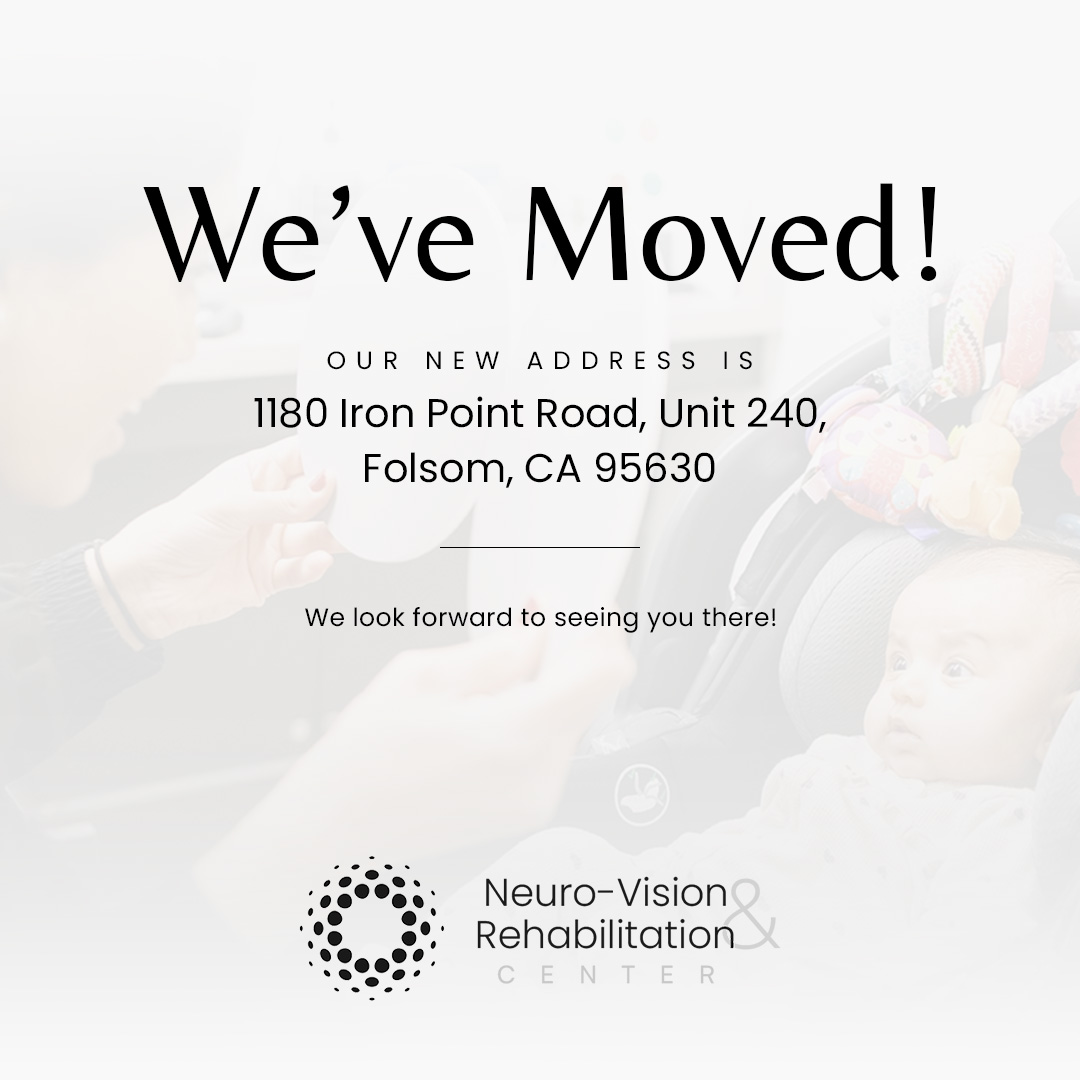
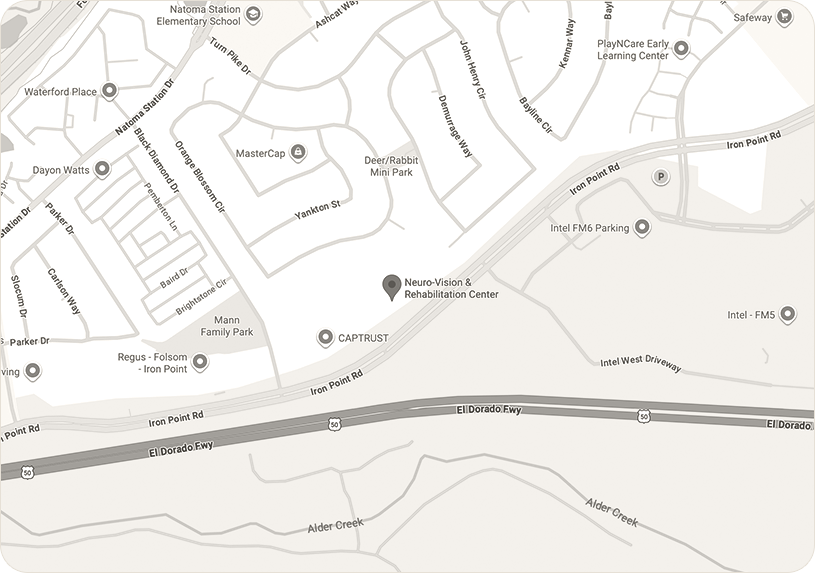
1180 Iron Point Road, Unit 240
Folsom, CA 95630


How Traumatic Brain Injuries Affect Your Vision

A traumatic brain injury can affect much more than memory, balance, or concentration. Because the brain and eyes work closely together, a TBI can disrupt how the visual system processes information. At Neuro-Vision & Rehabilitation Center, traumatic brain injury evaluations are designed to look beyond basic eyesight and identify functional vision problems that may interfere with daily life.
Why Vision Changes Happen After a TBI
Vision is not just about seeing clearly. It involves the eyes, brain, nerves, and muscles working together. After a concussion, stroke, accident, or other head injury, communication between these systems can become disrupted.
This can make everyday tasks feel harder, especially activities that require reading, driving, screen use, movement, or visual focus. Some patients notice symptoms right away, while others develop vision concerns as they return to work, school, or daily routines.
Common Vision Symptoms After Brain Injury
TBI-related vision problems can vary from person to person. Some symptoms may feel subtle at first but become more noticeable with concentration or fatigue.
Common signs may include:
- Blurry or double vision
- Eye strain or headaches
- Trouble reading or losing your place
- Light sensitivity
- Difficulty focusing from near to far
- Poor depth perception
- Dizziness or visual motion sensitivity
- Trouble with balance or coordination
- Feeling overwhelmed in busy visual environments
If these symptoms continue after a brain injury, a neuro-vision evaluation may help identify what is contributing to the problem.
How Vision Problems Can Affect Daily Life
When the visual system is not working efficiently, simple tasks can become exhausting. Reading may take longer, screens may trigger headaches, and driving may feel uncomfortable or unsafe. Some people also struggle in grocery stores, crowded spaces, or environments with bright lights and movement.
These issues can affect independence, school performance, work productivity, and overall quality of life. Because symptoms often overlap with other post-concussion or brain injury concerns, vision problems may be overlooked without specialized testing.
The Importance of a Brain Injury Vision Evaluation
A standard eye exam checks eye health and clarity of sight, but a brain injury vision evaluation looks more closely at how the eyes and brain work together. This may include testing for eye teaming, tracking, focusing, depth perception, visual processing, and how the visual system supports movement and balance.
At Neuro-Vision & Rehabilitation Center, patients receive personalized evaluations and treatment plans based on their symptoms, goals, and daily visual demands. For many people, identifying the visual component of their recovery is an important step toward feeling more comfortable and functional again.
How Neuro-Vision Rehabilitation Can Help
Neuro-vision rehabilitation may include customized vision therapy, specialized lenses, prisms, or other treatment strategies depending on the patient’s needs. The goal is to improve visual comfort, efficiency, and coordination so the visual system can better support daily activities.
Schedule a brain injury neuro-vision evaluation with Neuro-Vision & Rehabilitation Center to better understand and manage post-injury vision changes. Visit our office in Folsom, California, or call (279) 321-9059 to book an appointment today.
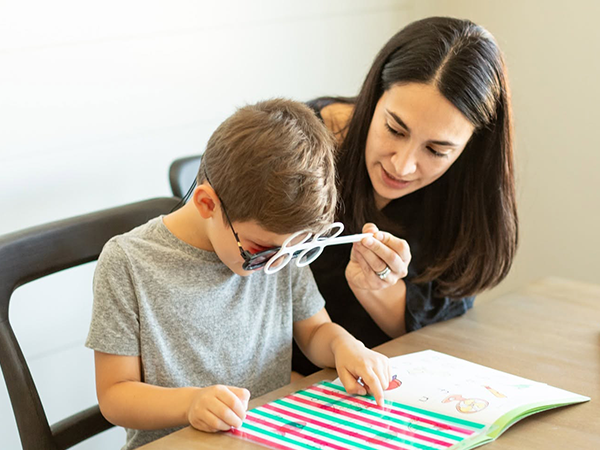
All Eye
Care Services
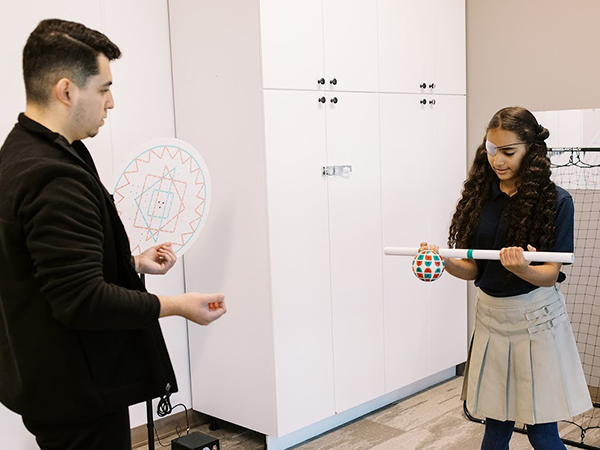
Keep
In Touch
Visit Us Today
Contact Us
Contact Information
Fax Us
(888) 783-1672
(888) 783-1672
- Monday 9:00am - 5:00pm
- Tuesday 9:00am - 5:00pm
- Wednesday 9:00am - 5:00pm
- Thursday 9:00am - 5:00pm
- Friday 9:00am - 5:00pm
- Saturday Closed
- Sunday Closed
- *By Appointment Only


© 2026 Neuro-Vision & Rehabilitation Center. All rights Reserved - Accessibility Statement - Privacy Policy - Sitemap
Managed and Designed by