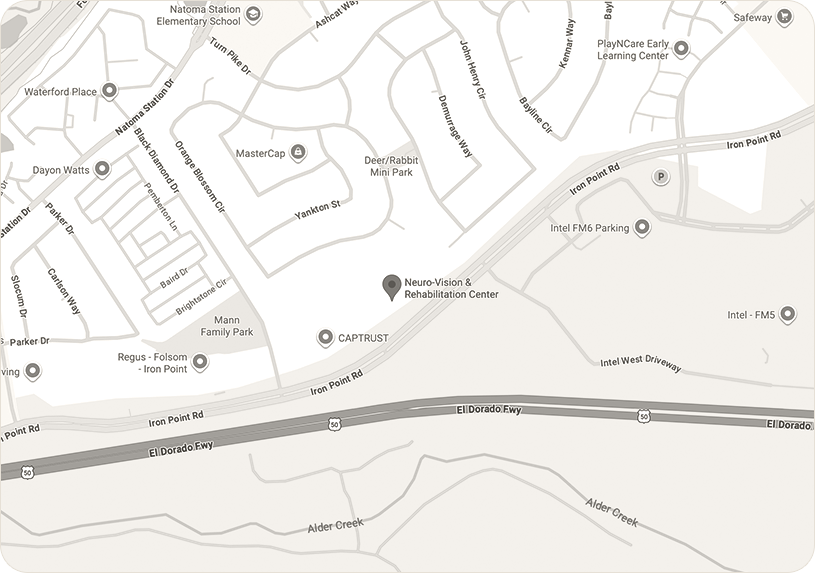
1180 Iron Point Road, Unit 240
Folsom, CA 95630


Letter Reversals in Children: When Should Parents Be Concerned?
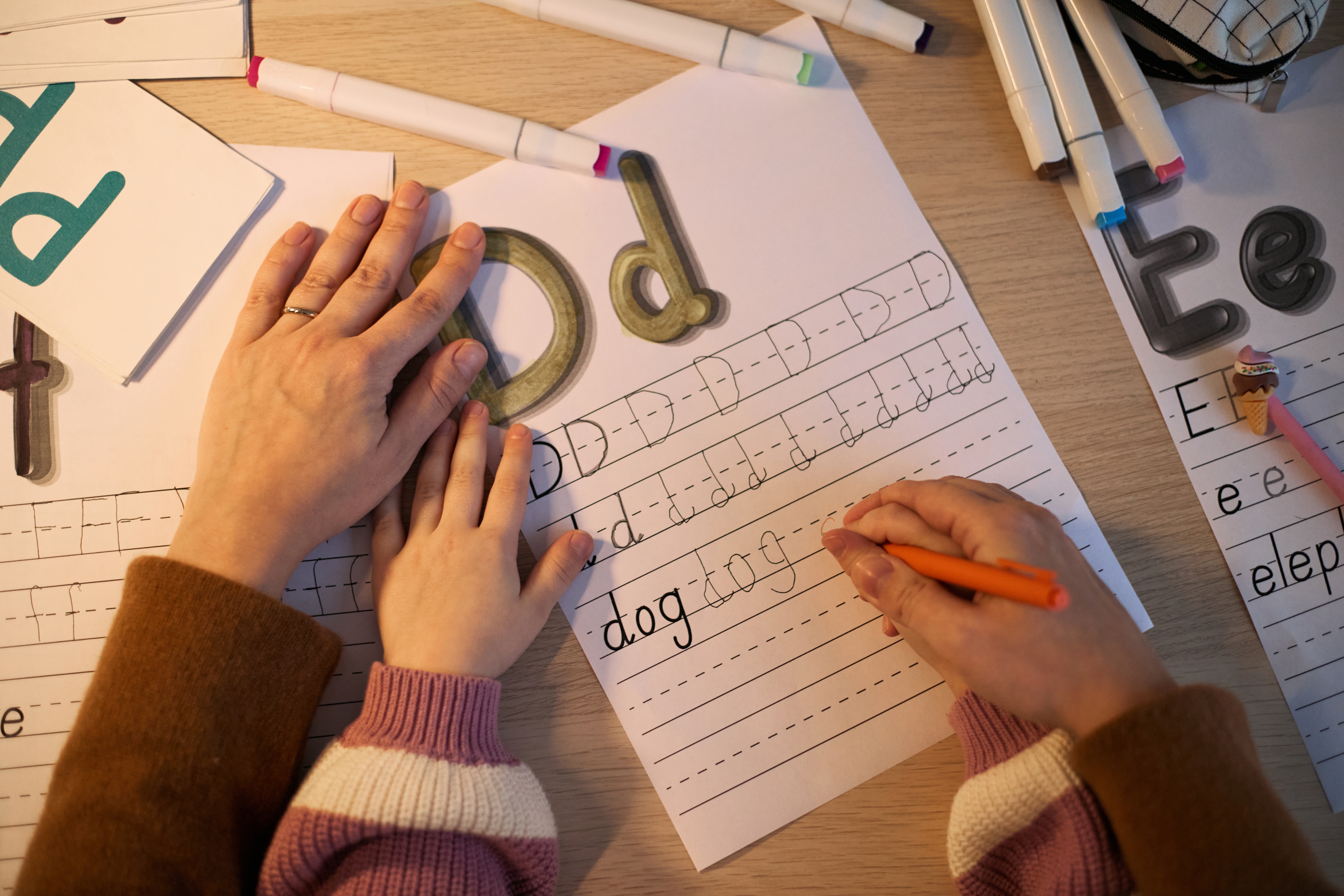
Seeing a child write a "b" instead of a "d" or reverse numbers can leave parents wondering whether something is wrong. Letter reversals in children are common while they are first learning to read and write. However, frequent reversals that continue as schoolwork becomes more advanced may signal that a closer evaluation is needed.
When Are Letter Reversals Normal?
Young children are still learning that the direction and position of a letter affect its meaning. Reversing letters such as b, d, p, and q is often part of early development, especially during preschool, kindergarten, and the first years of elementary school.
Occasional mistakes are not always a reason for concern. Parents should pay closer attention when letter reversals remain frequent beyond age seven, interfere with school performance, or occur alongside other reading and visual difficulties.
Letter reversals alone do not confirm dyslexia or another learning disability. Dyslexia is primarily a language-based learning disorder, although visual function problems can exist at the same time and make classroom tasks more tiring or difficult.
Signs Your Child May Need an Evaluation
Consider scheduling a developmental vision evaluation in Folsom when letter reversals occur with symptoms such as:
• Losing their place or skipping lines while reading
• Confusing similar letters, numbers, shapes, or words
• Struggling to copy information from a book or classroom board
• Reading slowly or needing to reread the same line
• Complaining of headaches, eye strain, or blurred vision during close work
• Avoiding reading, writing, homework, or other near tasks
• Having stronger verbal skills than reading or written language skills
These signs do not automatically mean that your child has a vision disorder. They do indicate that more information may be helpful.
Looking at the Full Picture of Your Child’s Vision
A standard vision screening mainly checks how clearly a child can see at a distance. Clear eyesight does not always mean the eyes are working efficiently together during reading and writing.
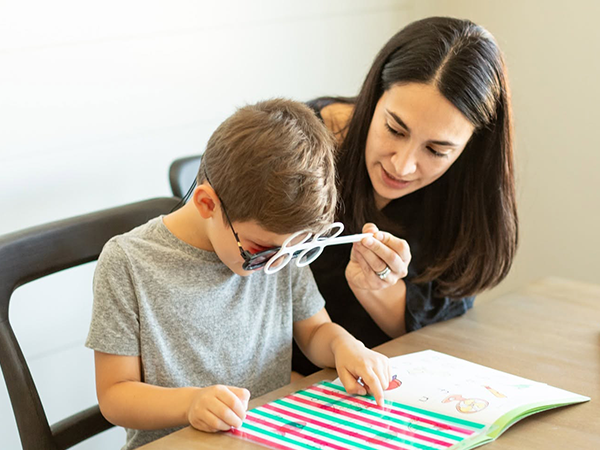
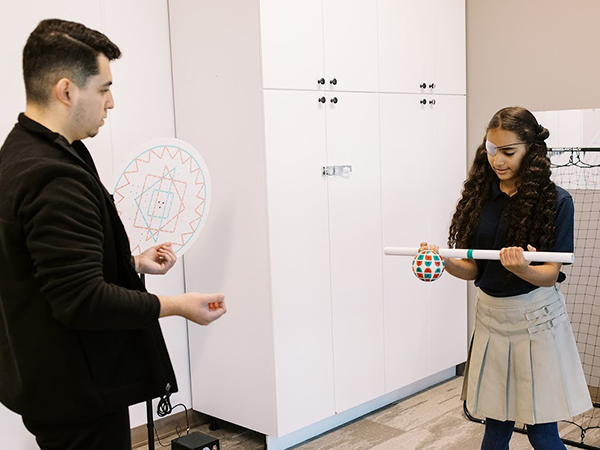
A developmental exam looks more closely at functional visual skills. Depending on your child’s needs, the evaluation may assess eye tracking, focusing, eye teaming, visual discrimination, visual memory, and the coordination between vision and movement.
This examination helps determine whether a visual weakness is contributing to your child’s classroom challenges. When reading or language concerns are also present, an educational, psychological, or language-based evaluation may be recommended as part of a broader approach.
Personalized Care for Children in Folsom
Every child develops differently. At Neuro-Vision & Rehabilitation Center, we take time to listen to parents, understand the child’s school experiences, and evaluate how the visual system performs during demanding tasks.
When a functional vision problem is identified, we create an individualized plan based on the child’s specific needs. Recommendations may include lenses, vision therapy, occupational therapy, home activities, or collaboration with teachers and other professionals.
Contact Neuro-Vision & Rehabilitation Center to schedule an evaluation for persistent letter reversals or other visual learning concerns. Visit our office in Folsom, California, or call (279) 321-9059 to book an appointment today.
All Eye
Care Services
Keep
In Touch
Visit Us Today
Contact Us
Contact Information
Fax Us
(888) 783-1672
(888) 783-1672
- Monday 9:00am - 5:00pm
- Tuesday 9:00am - 5:00pm
- Wednesday 9:00am - 5:00pm
- Thursday 9:00am - 5:00pm
- Friday 9:00am - 5:00pm
- Saturday Closed
- Sunday Closed
- *By Appointment Only


© 2026 Neuro-Vision & Rehabilitation Center. All rights Reserved - Accessibility Statement - Privacy Policy - Sitemap
Managed and Designed by