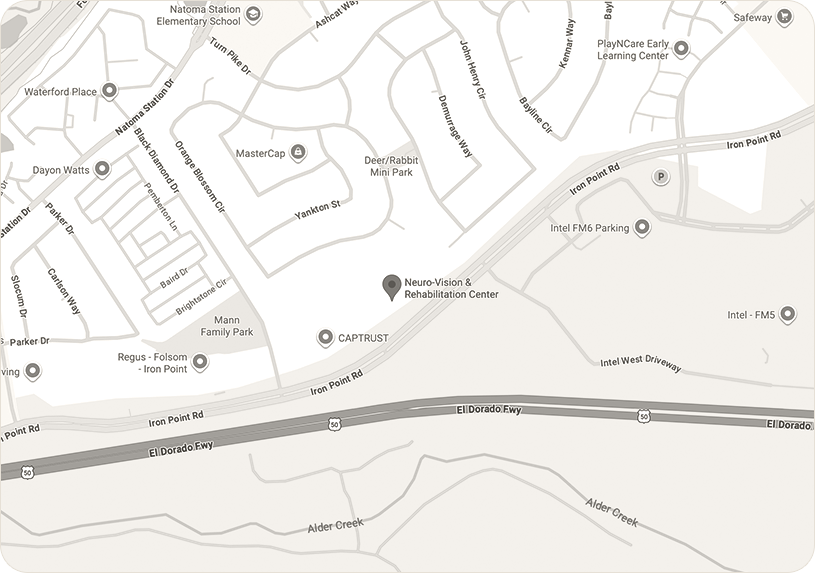
1180 Iron Point Road, Unit 240
Folsom, CA 95630


Syntonics & Interactive Metronome in Folsom: How Light and Rhythm Retrain the Brain After Injury

A concussion, traumatic brain injury, stroke, or other neurological event can disrupt more than eyesight. It can affect how efficiently the eyes and brain communicate, leading to problems with focusing, balance, visual processing, coordination, and attention.
At Neuro-Vision & Rehabilitation Center, we take a neuro-optometric approach to these concerns. For patients in Folsom experiencing visual difficulties after an injury, therapies such as Syntonics and Interactive Metronome may be incorporated into a personalized rehabilitation program to support stronger neurological and visual function.
Why Vision Can Change After a Brain Injury
Vision is a neurological process. The eyes collect visual information, but the brain must interpret that information and coordinate it with movement, balance, attention, and other sensory systems.
After an injury, patients may notice symptoms such as:
• Blurred or double vision
• Difficulty focusing or reading
• Light sensitivity
• Dizziness or motion sensitivity
• Poor balance or coordination
• Visual fatigue
• Difficulty concentrating in busy environments
Because every injury affects the brain differently, a detailed brain injury and neuro-visual evaluation is important before beginning treatment.
What Is Syntonics?
Syntonics, also known as syntonic phototherapy, uses specific frequencies of light as part of optometric care. Patients typically view light through specialized colored filters for a prescribed period of time.
Within a broader vision rehabilitation program, Syntonics may be used to support visual comfort, peripheral awareness, attention, and the way the visual system responds to its surroundings. The treatment plan is customized according to the patient's evaluation findings, symptoms, and functional goals. For some patients recovering from neurological injuries, Syntonics may complement other forms of neuro-optometric rehabilitation rather than serving as a stand-alone treatment.
How Interactive Metronome Uses Rhythm to Train Timing
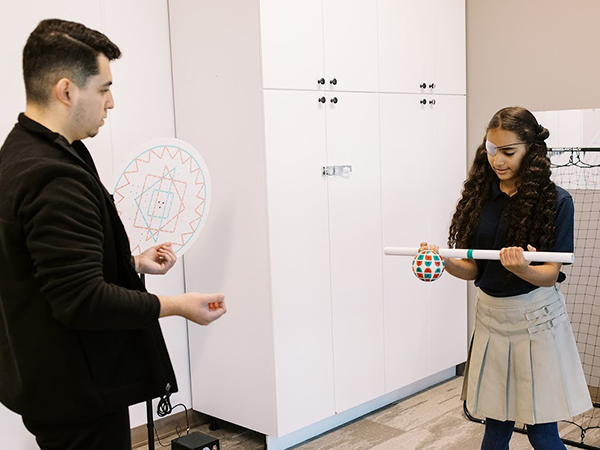
Interactive Metronome is a brain-training technology designed to challenge timing, attention, and coordination. During therapy, patients perform movements in sync with a rhythmic beat while receiving immediate feedback on their timing.
This process encourages the brain to become more accurate and consistent when coordinating sensory information with movement. These skills can be important when an injury has affected visual-motor function, reaction time, concentration, or coordination. Interactive Metronome activities can also be adjusted as the patient progresses, making them useful within an individualized rehabilitation program.
Combining Light, Rhythm, and Vision Rehabilitation
Neuro-optometric rehabilitation is not based on one exercise or technology. At our Folsom office, we evaluate how vision interacts with balance, movement, spatial awareness, visual processing, and neurological function.
Depending on the patient, a treatment program may combine Syntonics, Interactive Metronome, specialized lenses or prisms, visual-motor activities, eye tracking exercises, balance work, and other therapeutic techniques. Our goal is to address the specific visual skills interfering with reading, work, mobility, sports, or everyday comfort.
If a brain injury has changed the way you see, move, focus, or process your surroundings, schedule a neuro-visual evaluation with Neuro-Vision & Rehabilitation Center to learn more about personalized rehabilitation. Contact our office in Folsom, California, by calling (279) 321-9059 to book an appointment today.

All Eye
Care Services
Keep
In Touch
Visit Us Today
Contact Us
Contact Information
Fax Us
(888) 783-1672
(888) 783-1672
- Monday 9:00am - 5:00pm
- Tuesday 9:00am - 5:00pm
- Wednesday 9:00am - 5:00pm
- Thursday 9:00am - 5:00pm
- Friday 9:00am - 5:00pm
- Saturday Closed
- Sunday Closed
- *By Appointment Only


© 2026 Neuro-Vision & Rehabilitation Center. All rights Reserved - Accessibility Statement - Privacy Policy - Sitemap
Managed and Designed by