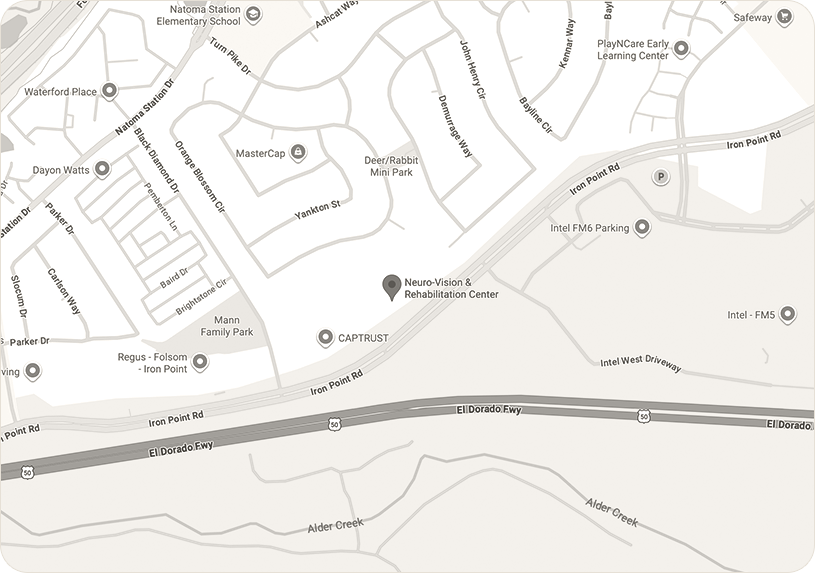
1180 Iron Point Road, Unit 240
Folsom, CA 95630


The Key Differences Between Optometrist, Neuro-Optometrist, and Neuro-Ophthalmologist
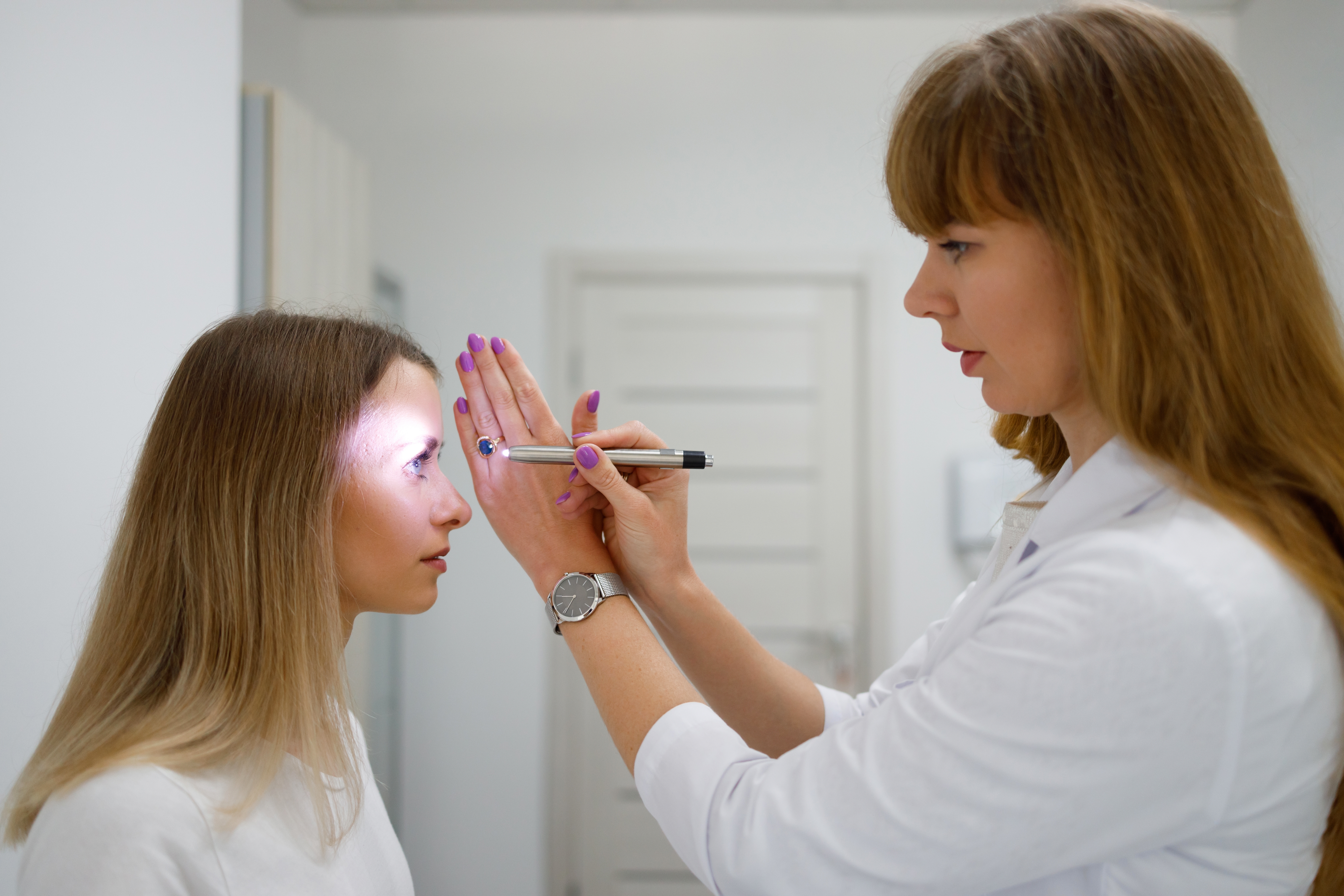
When vision problems affect daily life, it is not always clear which type of eye care professional you should see. While an optometrist, neuro-optometrist, and neuro-ophthalmologist all work with vision, their training and focus are different. Understanding those differences can help you find the right care sooner.
What an Optometrist Does
An optometrist is a primary eye care provider. We examine eye health, check vision, prescribe glasses and contact lenses, and diagnose many common eye conditions. Optometrists also monitor changes in vision over time and can help identify issues that need further testing or specialty care. For many people, an optometrist is the first step when they notice blurred vision, eye strain, headaches, or changes in how they see.
What Makes a Neuro-Optometrist Different
A neuro-optometrist is an optometrist with advanced focus on how vision works with the brain and body. This area of care is especially important when visual symptoms are connected to concussion, traumatic brain injury, stroke, neurological conditions, or developmental visual problems.
Neuro-optometric care looks beyond whether you can read letters on a chart. It may address how your eyes track, focus, team together, process movement, and support balance, reading, and daily function.
What a Neuro-Ophthalmologist Treats
A neuro-ophthalmologist is a medical doctor who specializes in conditions involving the eyes, brain, nerves, and muscles that affect vision. Their work often focuses on medically complex or serious neurological eye problems.
This may include optic nerve disorders, double vision caused by nerve palsies, unexplained vision loss, visual field defects, or eye movement problems related to neurological disease. A neuro-ophthalmologist may order medical imaging, blood work, or other systemic evaluations as part of diagnosis.
When You May Need Specialized Neuro-Visual Care
If you have ongoing dizziness, headaches, blurred vision, trouble reading, poor tracking, double vision, or visual discomfort after a brain injury or neurological event, a standard eye exam may not tell the whole story. In those cases, a neuro-optometric evaluation can help uncover issues in the visual system that affect daily performance and comfort.
How We Can Help
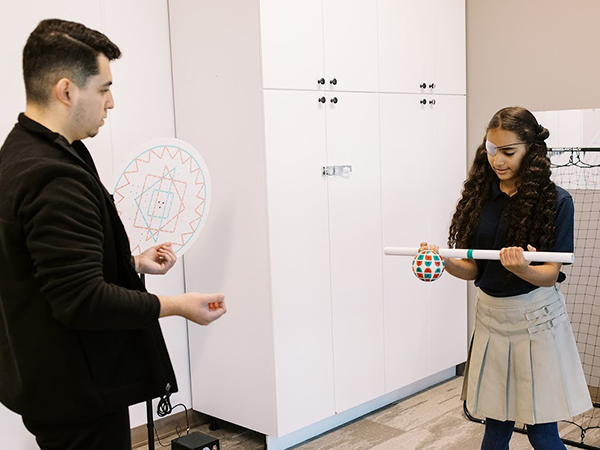
At Neuro-Vision & Rehabilitation Center, we offer Neuro-Development and Vision Therapy/Rehabilitation for patients with visual challenges tied to developmental or neurological issues. We evaluate how the eyes and brain work together, then create a personalized treatment plan to improve skills like tracking, focusing, eye teaming, and visual processing. Our goal is to help make reading, learning, balance, and everyday tasks easier and more comfortable.
Schedule a consultation at Neuro-Vision & Rehabilitation Center to get the support you need for functional or neurological vision concerns. Visit our office in Folsom, California, or call (279) 321-9059 to book an appointment today.

All Eye
Care Services
Keep
In Touch
Visit Us Today
Contact Us
Contact Information
Fax Us
(888) 783-1672
(888) 783-1672
- Monday 9:00am - 5:00pm
- Tuesday 9:00am - 5:00pm
- Wednesday 9:00am - 5:00pm
- Thursday 9:00am - 5:00pm
- Friday 9:00am - 5:00pm
- Saturday Closed
- Sunday Closed
- *By Appointment Only


© 2026 Neuro-Vision & Rehabilitation Center. All rights Reserved - Accessibility Statement - Privacy Policy - Sitemap
Managed and Designed by