
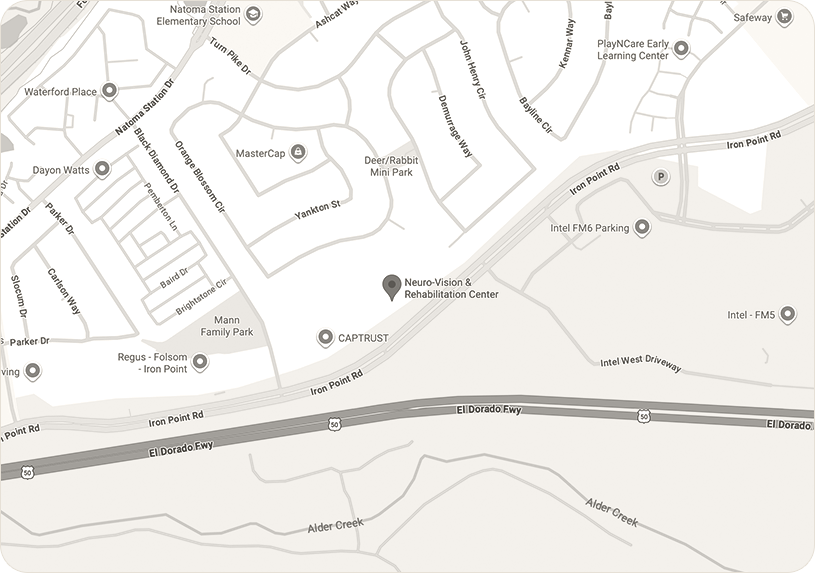
1180 Iron Point Road, Unit 240
Folsom, CA 95630


Developmental/Binocular Vision Evaluation
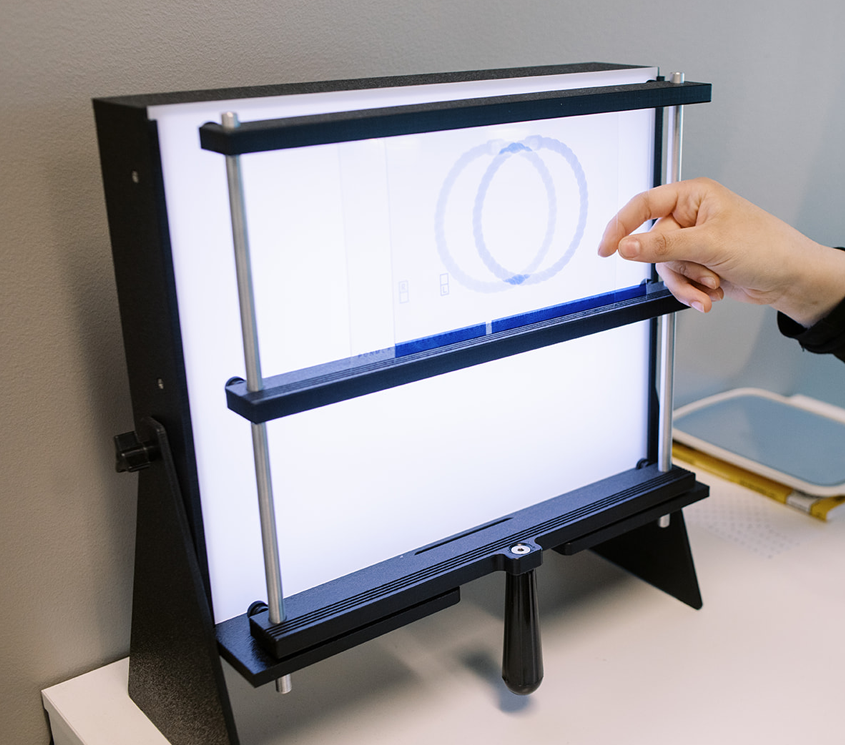
Vision Is More Than 20/20
Many children and adults are told their vision is “normal,” yet continue to struggle with:
Reading difficulties
Headaches
Dizziness
Eye strain
Motion sensitivity
Poor attention
Visual fatigue
Double vision
Coordination challenges
Difficulty focusing
This is because vision involves far more than eyesight clarity alone.
Efficient visual function requires accurate coordination between the eyes, brain, and body. When these systems are not working together properly, everyday tasks such as reading, learning, screen use, sports, balance, and concentration can become exhausting and overwhelming.
What Is a Developmental/Binocular Vision Evaluation?
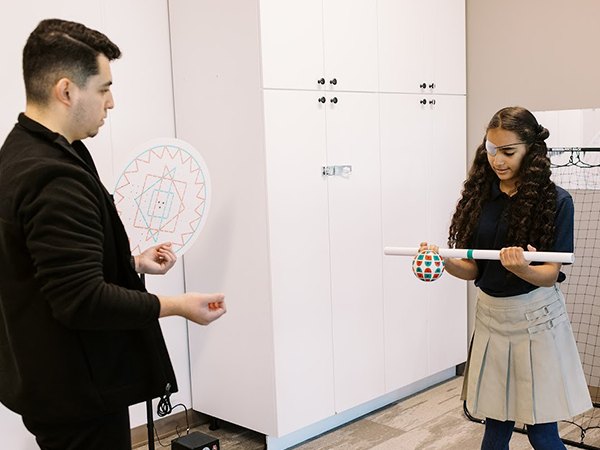
This specialized evaluation assesses how the visual system functions during real-world activities, not just how clearly someone sees letters on an eye chart.
Unlike routine vision screenings or standard eye exams, developmental and binocular vision evaluations focus on functional visual skills necessary for:
Reading
Learning
Attention
Eye coordination
Depth perception
Balance
Visual processing
Sports performance
Daily visual comfort
Our goal is to identify underlying visual inefficiencies that may be contributing to symptoms or performance challenges.
Signs of Functional Vision Problems
Children and adults with functional vision difficulties may experience:
Losing place while reading
Skipping lines
Homework frustration
Poor comprehension
Eye fatigue
Headaches around the eyes
Difficulty concentrating
Motion sensitivity
Dizziness
Double vision
Poor depth perception
Difficulty with screens
Coordination difficulties
Visual overwhelm in busy environments
Fatigue during near work
Many patients spend years compensating without realizing that vision may be contributing to their struggles.
What We Evaluate During Your Visit
Depending on symptoms and history, testing may include:
Eye teaming & alignment
Eye tracking
Focusing ability
Visual processing
Depth perception
Visual attention
Reading efficiency
Peripheral awareness
Visual-motor integration
Functional visual fields
Visual-vestibular integration
Coordination between vision and movement
This comprehensive approach allows us to better understand how visual function may be impacting performance, comfort, learning, and daily activities.
Who We Help
We work with both children and adults experiencing:
Reading and learning difficulties
Attention challenges
Visual fatigue
Concussion symptoms
Dizziness and balance issues
Motion sensitivity
Double vision
Sports-related visual challenges
Developmental visual delays
Visual processing difficulties
Our Approach
At Neuro Vision & Rehabilitation Center of Northern California, we take a root-cause, individualized approach to care.
We look beyond eyesight alone to evaluate how vision integrates with:
Balance
Coordination
Attention
Movement
Spatial awareness
Sensory processing
Neurological function
Following the evaluation, we provide personalized recommendations tailored to each patient’s needs, which may include:
Vision therapy
Neuro-optometric rehabilitation
Visual processing support
Home-based activities
Prism or specialized lenses
School accommodations
Collaborative care with other providers
What Do Functional Vision Issues Look Like?
Eye focusing – Blurred vision or ability to shift focus between objects between near and far distances may be compromised.

Eye teaming – Your eyes may not work together properly as a team even to the point of experiencing double or very blurry vision.

Eye movements – You may experience difficulty with eye movements when reading or trying to follow a moving object (like a ball being thrown). Losing your place while reading is a common complaint.

Schedule a Comprehensive Functional Vision Evaluation
If you or your child continue to struggle despite normal screenings or routine eye exams, a developmental and binocular vision evaluation may help uncover the underlying cause.
Frequently Asked Questions
How is this different from a regular eye exam?
This evaluation assesses how the eyes and brain function together for reading, learning, balance, focus, and visual comfort —not just eyesight clarit
Can vision problems affect reading and attention?
Yes. Functional visual difficulties can significantly impact reading efficiency, concentration, comprehension, and learning.
Can binocular vision problems cause dizziness or headaches?
Absolutely. Visual dysfunction is commonly associated with dizziness, headaches, eye strain, motion sensitivity, and fatigue.
Do you work with both children and adults?
Yes. We evaluate and treat both pediatric and adult patients.
What happens after the evaluation?
We review all findings and discuss individualized recommendations based on the patient’s symptoms, goals, and testing results.

All Eye
Care Services
Keep
In Touch
Visit Us Today
Contact Us
Contact Information
Fax Us
(888) 783-1672
(888) 783-1672
- Monday 9:00am - 5:00pm
- Tuesday 9:00am - 5:00pm
- Wednesday 9:00am - 5:00pm
- Thursday 9:00am - 5:00pm
- Friday 9:00am - 5:00pm
- Saturday Closed
- Sunday Closed
- *By Appointment Only


© 2026 Neuro-Vision & Rehabilitation Center. All rights Reserved - Accessibility Statement - Privacy Policy - Sitemap
Managed and Designed by

