
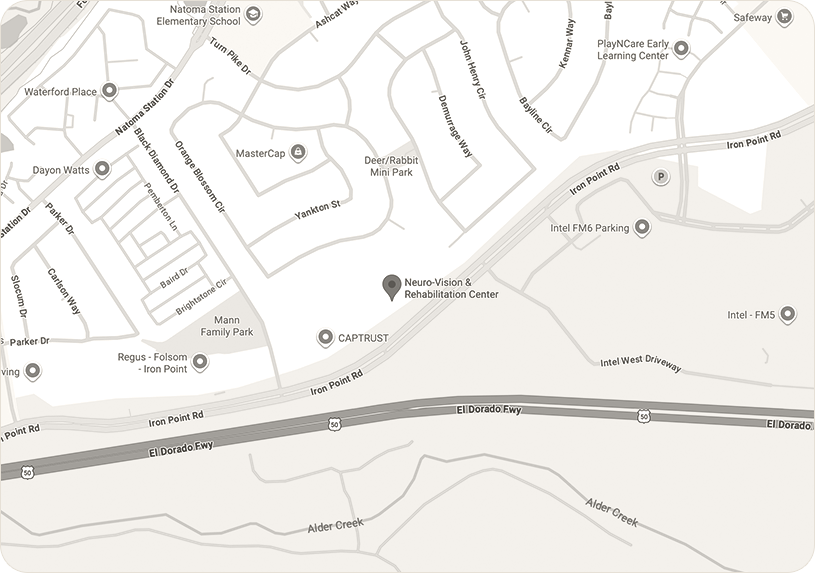
1180 Iron Point Road, Unit 240
Folsom, CA 95630


Vision Therapy

Vision Is More Than 20/20
Many people are surprised to learn that someone can have “perfect eyesight” and still struggle visually.
Vision involves much more than seeing clearly on an eye chart. Efficient visual function requires the eyes and brain to work together accurately and automatically.
When these visual skills arenot functioning properly, both children and adults may experience symptoms that impact learning, reading, attention, balance, coordination, work performance, sports, and daily comfort.
At Neuro-Vision & Rehabilitation Center of Northern California, we provide comprehensive, individualized vision therapy programs designed to improve visual function at the root cause.
What Is Vision Therapy?
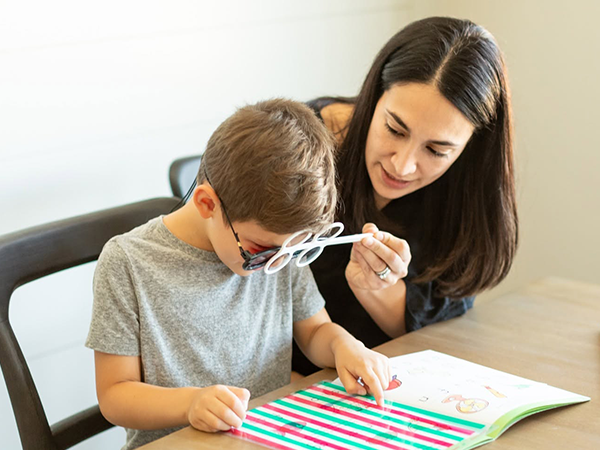
Vision therapy is a customized neuro-optometric rehabilitation program that helps develop, strengthen, and rehabilitate visual skills.
Much like physical therapy helps improve movement and coordination, vision therapy helps retrain how the eyes and brain communicateand function together.
Vision therapy goes beyond simple eye exercises. Our programs are designed to improve:
Eye tracking
Eye teaming
Focusing ability
Visual processing
Spatial awareness
Visual attention
Eye-hand coordination
Balance and visual-vestibular integration
Visual comfort and endurance
Each therapy plan is personalized based on the patient’s symptoms, testing results, goals, and neurological needs.
Who Can Benefit From Vision Therapy?
Vision therapy may benefit both children and adults experiencing functional visual difficulties.
Common symptoms include:
Headaches during reading
Losing place while reading
Skipping lines
Eye strain or fatigue
Double vision
Poor concentration
Motion sensitivity
Dizziness
Difficulty focusing
Poor depth perception
Reduced coordination
Difficulty with sports performance
Visual overwhelm in busy environments
Concussion-related visual symptoms
Many patients come to our office after feeling frustrated because standard eye exams or imaging appeared “normal,” yet they still continue to struggle.
Binocular Vision Dysfunction
Difficulty coordinating both eyes together efficiently, often leading to headaches, dizziness, fatigue, and reading difficulties.
Convergence Insufficiency
Difficulty sustaining eye teaming during near work such as reading, screens, or school tasks.
Eye Tracking Disorders
Problems with accurately moving the eyes across a page or tracking moving objects.
Visual Processing Difficulties
Challenges interpreting and organizing visual information efficiently.
Concussion & Brain Injury
Visual symptoms after concussion or traumatic brain injury including dizziness, double vision, headaches, light sensitivity, and visual motion sensitivity.
Strabismus & Amblyopia
Eye turns and lazy eye conditions affecting eye coordination and visual development.
Developmental Visual Delays
Visual skill delays impacting learning, reading, coordination, and classroom performance.
Sports Vision Performance
Training visual processing, reaction time, tracking, and visual-motor integration for athletes.
Our Approach
At our office, we evaluate much more than eyesight alone.
We assess how the visual system integrates with:
Balance
Vestibular function
Coordination
Movement
Spatial awareness
Cognitive processing
Attention
Neurological function
Because vision is deeply connected to the brain and nervous system, visual dysfunction can affect many aspects of daily life.
Our comprehensive evaluations may include assessment of:
Eye teaming
Tracking
Focusing
Peripheral awareness
Visual processing
Balance integration
Visual-motor skills
Functional visual fields
Visual attention
Reading efficiency
This allows us to develop highly individualized treatment programs tailored to the patient’s unique needs.
How Vision Therapy Works
Vision therapy is typically performed through weekly one-on-one sessions with a trained vision therapist under the supervision of the doctor.
Programs are individualized and evolve as progress occurs.
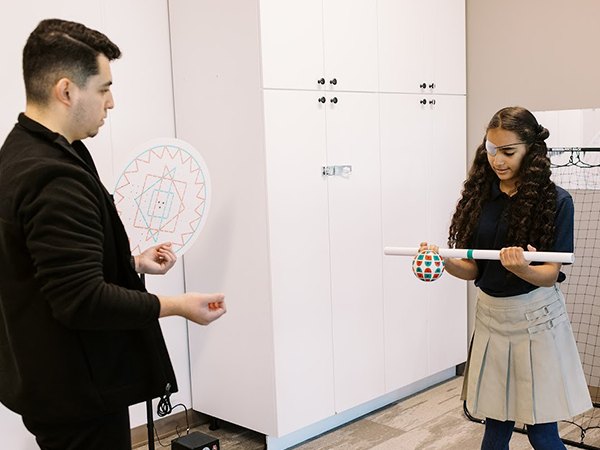
Therapy activities may involve:
Specialized lenses
Prisms
Balance integration activities
Visual-motor tasks
Interactive technology
Eye tracking exercises
Peripheral awareness training
Vestibular integration
Sports vision activities
Cognitive-visual processing challenges
Our goal is not simply to improve performance in the therapy room, but to improve real-world function in school, work, sports, and everyday life.
Why Families Across Northern California Choose Our Office
Advanced functional vision and neuro-visual testing
Personalized one-on-one therapy
Pediatric and adult care
Brain injury and concussion expertise
Vestibular and visual integration approach
Multidisciplinary mindset
Sports vision and performance crossover
Warm, supportive environment
Root-cause focused care
Schedule a Comprehensive Vision Evaluation
Whether you are seeking answers for your child’s struggles in school, ongoing dizziness after concussion, or visual performance challenges affecting daily life, our team is here to help.
Frequently Asked Questions
Is vision therapy only for children?
No. Vision therapy can benefit both children and adults.
How long does vision therapy take?
Programs are individualized based on the patient’s condition, goals, and progress.
Is vision therapy the same as eye exercises?
No. Vision therapy is a comprehensive neuro-rehabilitation program designed to improve how the eyes and brain function together.
Can vision therapy help after a concussion?
Yes. Many concussion patients experience visual dysfunction affecting balance, reading, focus, and motion processing.
Do you work with athletes?
Yes. We provide sports vision training and concussion-related visual rehabilitation for athletes of all levels.
Do I need a comprehensive evaluation first?
Yes. A detailed neuro-visual evaluation is necessary to determine whether vision therapy is appropriate and to create an individualized treatment plan.
All Eye
Care Services
Keep
In Touch
Visit Us Today
Contact Us
Contact Information
Fax Us
(888) 783-1672
(888) 783-1672
- Monday 9:00am - 5:00pm
- Tuesday 9:00am - 5:00pm
- Wednesday 9:00am - 5:00pm
- Thursday 9:00am - 5:00pm
- Friday 9:00am - 5:00pm
- Saturday Closed
- Sunday Closed
- *By Appointment Only


© 2026 Neuro-Vision & Rehabilitation Center. All rights Reserved - Accessibility Statement - Privacy Policy - Sitemap
Managed and Designed by

